
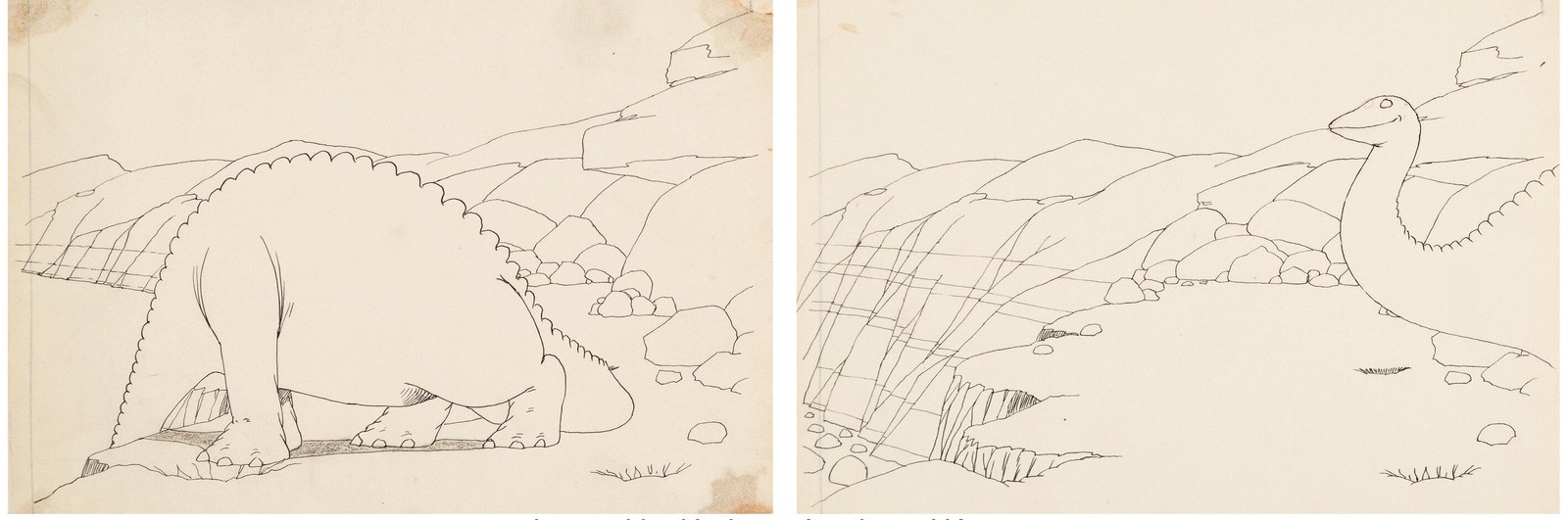
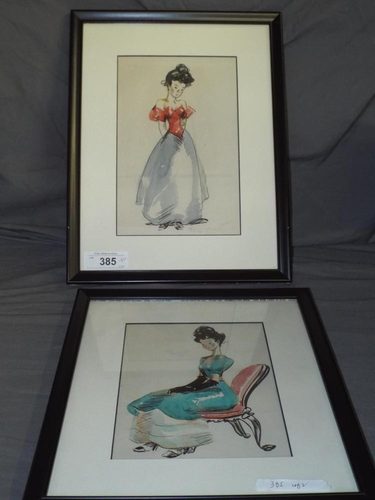
Animation art is the medium of creating the illusion of movement by showing a rapid sequence of still images, each slightly different from the last. The technique dates back to simple optical toys, but as a modern medium it spans hand-drawn cel animation, stop-motion puppetry, cutout and paper animation, and today's dominant form, computer-generated 3D animation. Regardless of the tools used, every animated work rests on the same core unit: the frame, and how many of them appear per second determines how smooth or stylized the motion feels. Animators plan motion through key poses first, then fill in the frames between them, whether that filling is done by hand, by a computer's automatic tweening, or frame-by-frame in a stop-motion set. Sound, timing, and rhythm are inseparable from the image sequence itself, since animation is ultimately a time-based medium experienced in motion rather than viewed as a single still composition.
What defines the medium
Persistence of Vision
Animation exploits a quirk of human perception: when still images are shown quickly enough, roughly 12 to 24 per second, the eye and brain blend them into what reads as smooth, continuous motion.
Keyframes and In-Betweens
Motion is planned through key poses that define the start, end, and major beats of an action, with additional frames — drawn by hand or generated by software — filling the gaps between them.
Storyboards Before Motion
Nearly every animated work begins as a storyboard, a sequence of drawn panels that lay out shots, timing, and staging before a single frame of final art is produced.
Layered Separation
Characters, backgrounds, and effects are traditionally built and moved on separate layers or planes so each can be animated, replaced, or reused independently without redrawing the entire scene from scratch each time.
Exaggeration and Weight
Because animation is drawn or built rather than captured, motion can be pushed beyond realism — stretched, squashed, or held for emphasis — to make weight, speed, and emotion read clearly to an audience.
Frame Rate as Style
The number of frames shown per second is itself a creative choice: full animation on every frame feels fluid and lifelike, while limited animation on twos or threes gives a snappier, more stylized rhythm.
Materials decoder
The toolkit of animation art
- light table / light box
- → an illuminated glass surface animators use to trace and align drawings across multiple sheets.
- cel (acetate sheet)
- → a clear plastic sheet painted with a character that sits over a separate painted background, the classic hand-drawn technique.
- pegbar & registration pins
- → a fixed set of pins that hold each drawing or cel in exact alignment as pages are flipped or swapped.
- exposure sheet (dope sheet)
- → a timing chart mapping which drawing, cel, or sound plays on every single frame of a scene.
- onion skinning
- → a translucent view of the previous and next frames overlaid on the current one, used to judge motion while drawing.
- armature
- → a poseable metal skeleton inside a stop-motion puppet that lets it hold a position between shutter clicks.
- storyboard panel
- → a single hand-drawn frame representing one shot, used to plan a scene's staging and camera before animation begins.
- rig (digital skeleton)
- → a set of virtual bones and controls added to a 3D or digital 2D character so animators can pose it without redrawing.
The story
Animation's earliest ancestors are 19th-century optical toys like the zoetrope and flip book, which used spinning or flipped sequences to fake motion before film existed. Émile Cohl's Fantasmagorie (1908) is widely credited as the first fully animated film, made from roughly seven hundred hand-drawn images. Walt Disney Studios standardized cel animation as an industry through shorts like Steamboat Willie (1928), which paired drawn images with synchronized sound, and then Snow White and the Seven Dwarfs (1937), the first full-length cel-animated feature. Japan developed its own tradition of limited, expressive animation that grew into today's globally popular anime industry. Stop-motion animation matured alongside drawn techniques throughout the 20th century, using physical puppets rather than paper. Computer animation emerged in the 1980s and 90s, culminating in Pixar's Toy Story (1995), the first fully computer-generated feature film, which shifted the industry's mainstream center of gravity from hand-drawn cels toward 3D software over the following decades.
Masterpieces of the medium
| Work | Artist | Date | Why it matters |
|---|---|---|---|
| Fantasmagorie | Émile Cohl | 1908 | a short made of roughly 700 hand-drawn frames, widely regarded as the first fully animated film. |
| Steamboat Willie | Walt Disney Studios | 1928 | one of the earliest cartoons with fully synchronized sound, introducing Mickey Mouse to the public. |
| Snow White and the Seven Dwarfs | Walt Disney Productions | 1937 | the first full-length cel-animated feature film, proving animation could sustain a feature-length story. |
| Toy Story | Pixar | 1995 | the first entirely computer-generated feature film, launching the industry's shift toward 3D animation. |
| Akira | Katsuhiro Otomo | 1988 | a landmark hand-drawn anime feature celebrated for its unusually dense frame count and fluid motion. |
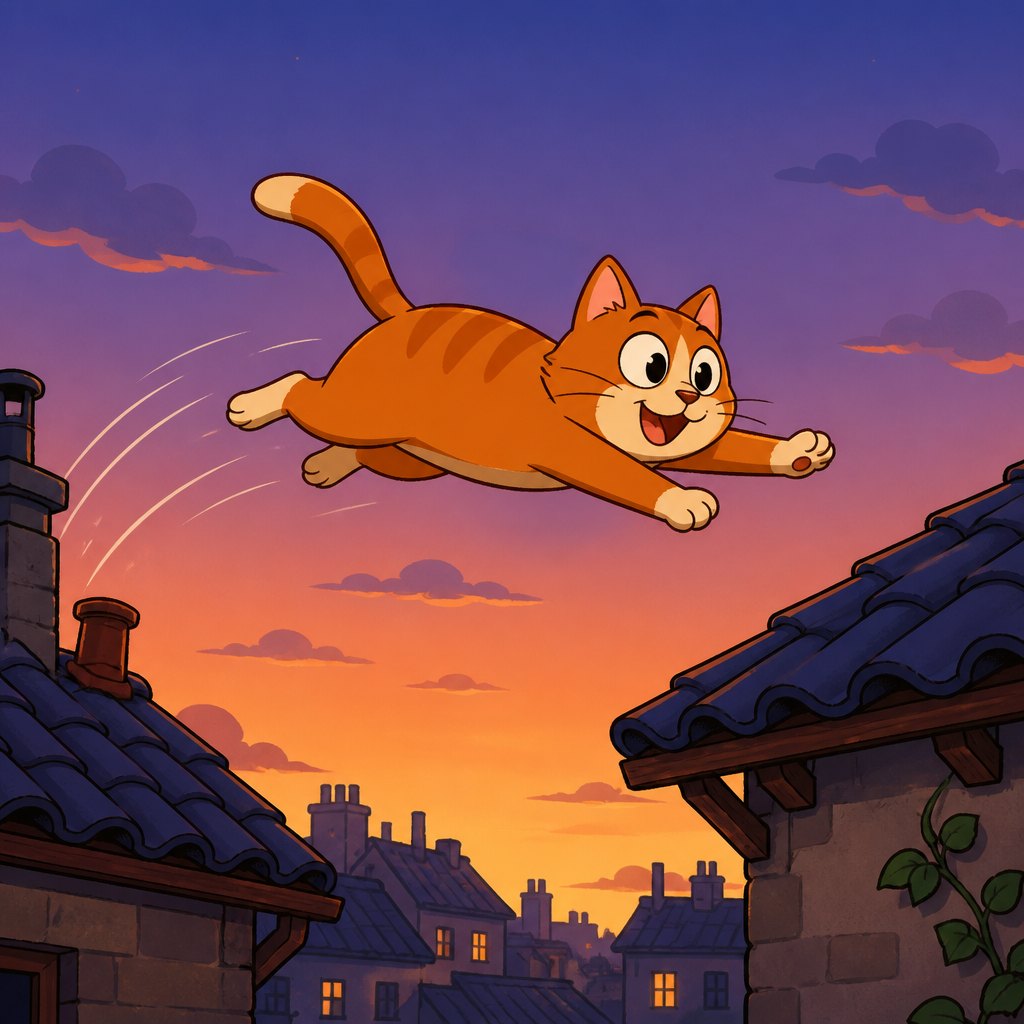 AI-generated
Try the medium
Try animation art with AI
This example was generated from a prompt like: “A cheerful animated-style illustration of a round orange cat mid-leap between two rooftops at dusk, bold clean outlines, flat cel-shaded colors, exaggerated stretched pose, simple gradient sky background, dynamic motion lines, storybook cartoon style.”
Open the Anime Art Style generator →The medium today
Today's animation industry runs mostly on computer-generated 3D for major studio features, while 2D animation persists in television, indie shorts, and a growing wave of digitally hand-drawn work made with tweening software. Anime remains a dominant global force, streamed worldwide and produced through hybrid digital pipelines. Stop-motion holds a smaller but prestigious niche, valued for its tactile, imperfect look. Independent animators now publish directly to video platforms and social media, and AI-assisted tools are beginning to speed up labor-intensive steps like in-betweening and coloring, though final motion decisions remain largely human-directed.
Compose your own
Begin with a clear story beat or action, then sketch a storyboard to plan camera angle, staging, and timing before animating anything. Block in key poses first — the extremes of an action — to establish the motion's overall arc and rhythm. Fill in the frames between those poses, thickening or thinning the spacing to control speed: closer frames slow an action down, wider spacing speeds it up. Push poses slightly beyond realistic proportions at peak moments so the motion reads clearly at a glance. Add secondary motion, like hair or cloth trailing a beat behind the main action, for a sense of weight. Test the sequence in playback often, since animation is judged in motion, not as single frames.
Frequently asked questions
What's the difference between 2D and 3D animation?
2D animation draws or manipulates flat images frame by frame, while 3D animation poses and moves computer-generated models within a virtual space, then renders each frame like a photograph of that scene.
How many drawings does one second of animation need?
It depends on the style: full animation typically uses 24 unique frames per second, while limited animation reuses drawings on twos or threes, needing as few as 8 to 12 unique images per second.
Is stop-motion considered animation?
Yes. Stop-motion animates physical puppets or objects by photographing them one pose at a time and playing the photos back in sequence, following the same frame-by-frame logic as drawn or digital animation.
Can AI generate animation on its own?
AI tools can now generate short clips or assist with in-betweening and coloring, but reliably controlling character consistency, timing, and story across a full sequence still generally requires human direction.