
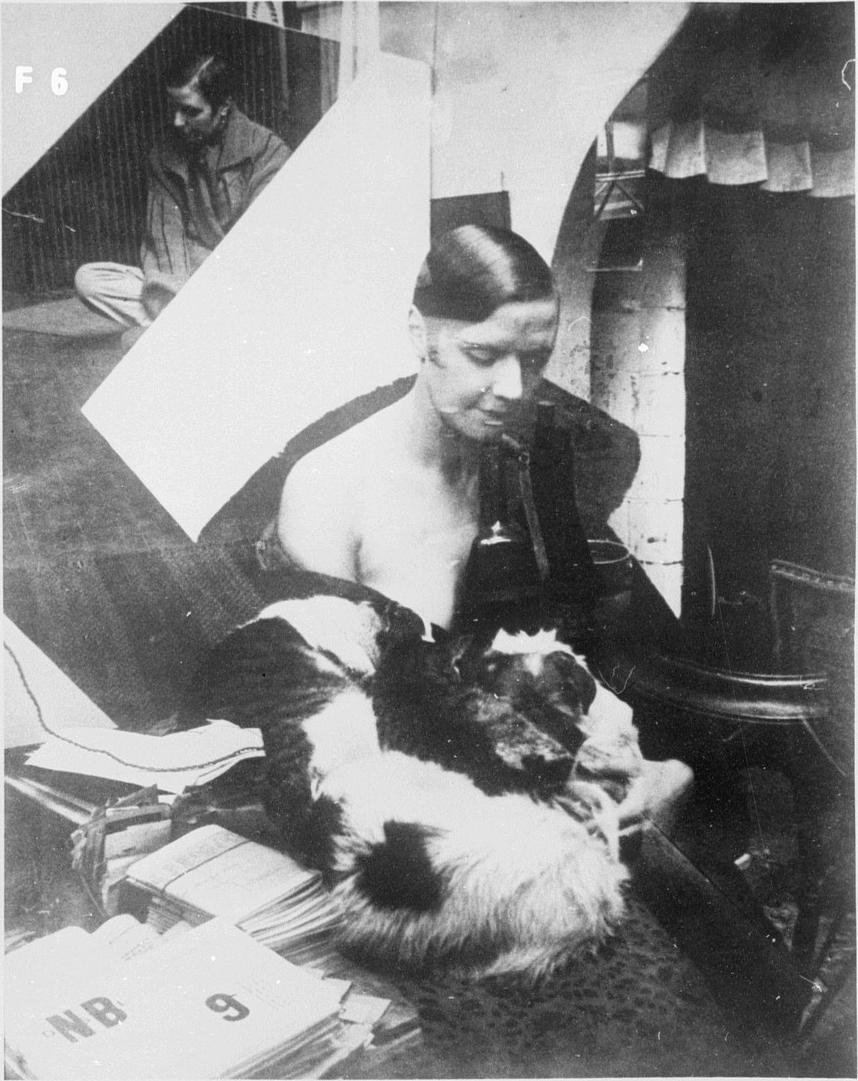
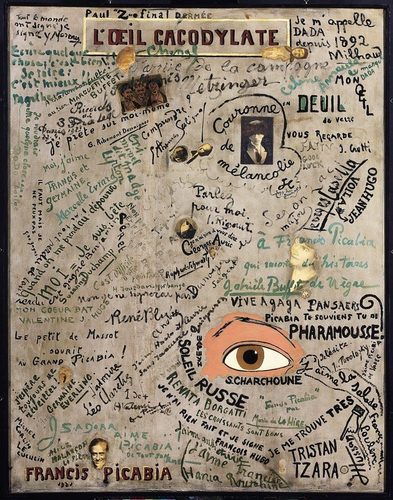
Mixed media describes any artwork built from two or more distinct materials or processes combined within a single piece — paint alongside collaged paper, fabric stitched into a canvas, found objects embedded in resin, photography layered under drawing. Where assemblage specifically means combining three-dimensional found objects and collage means combining flat paper elements, mixed media is the broader umbrella term covering any deliberate combination that crosses traditional medium boundaries. The approach became especially important in the 20th century as artists rejected the idea that painting, sculpture, and craft needed to stay in separate lanes, using whatever material best served an idea rather than staying loyal to one discipline's rules and materials. Mixed media rewards visible contrast: a smooth painted passage next to a rough textile patch, a glossy photograph beside matte torn paper, each material keeping its own identity rather than being disguised into a uniform surface. Digital tools have extended the idea further, letting artists combine physical materials with printed, projected, or screen-based elements in the same piece.
What defines the medium
Material contrast
Combined materials usually keep their own visible identity — rough next to smooth, matte next to glossy, flat next to dimensional — rather than being blended into a uniform surface, so the seams between materials stay part of the work.
Found and repurposed objects
Everyday or discarded items — newspaper clippings, fabric scraps, bottle caps, hardware — get incorporated directly into the work, carrying their original texture, wear, and cultural association into a new context.
Layering and buildup
Materials are often applied in physical layers, one over another, so the surface develops real depth and history, with earlier layers sometimes deliberately left visible through gaps, sanding, or torn edges in later ones.
Cross-disciplinary process
A single piece can move through painting, collage, stitching, and assembly in sequence, borrowing techniques and tools from entirely separate craft and fine-art traditions rather than staying within one medium's conventional rulebook.
Adhesion and binding
Because mixed media joins materials that don't naturally bond — paper to canvas, metal to wood, fabric to paint — the choice of glue, gesso, stitching, or mechanical fastener becomes a practical decision with real visual consequences.
Narrative and symbolic accumulation
Combining objects and images with real-world histories — a ticket stub, a scrap of clothing, a newspaper headline — lets mixed media carry layered personal or cultural meaning that a single uniform medium can't easily hold.
Materials decoder
The toolkit of mixed media
- gel medium
- → a clear adhesive and binder that glues collaged paper or fabric to a surface while also sealing and protecting it
- found object
- → any repurposed everyday item incorporated directly into the work, carrying its own history and texture into the piece
- gesso ground
- → a chalky white primer applied beneath mixed layers to unify absorbency across different combined materials before painting begins
- collage paper
- → cut or torn printed and plain paper layered into a work, adding pattern, text, or imagery from outside sources
- fabric and stitching
- → textile elements sewn or glued into a piece, adding texture and softness that paint and paper alone can't produce
- resin cast layer
- → a clear liquid poured over embedded objects and left to harden, encasing them under a glossy, dimensional surface
The story
Mixed media has precedents wherever artists layered materials — illuminated manuscripts combining paint, gold leaf, and ink, or folk traditions embedding beads, shells, and textile onto carved or painted surfaces. The modern concept, though, traces most directly to early 20th-century Cubist collage, which glued newspaper, wallpaper, and other printed matter directly onto painted canvas, followed by Dada and Surrealist assemblage that incorporated found and manufactured objects to unsettle traditional notions of fine-art material. Mid-20th-century combine painting fused painting with three-dimensional objects like tires, taxidermy, and furniture attached directly to the canvas surface, further collapsing the line between painting and sculpture. Feminist and craft-based art movements later expanded the vocabulary by incorporating textile, sewing, and domestic materials historically excluded from fine art. By the late 20th century, mixed media had become common enough in contemporary practice that museums and art schools treat it as its own standard category rather than a departure from painting or sculpture.
Masterpieces of the medium
| Work | Artist | Date | Why it matters |
|---|---|---|---|
| Still Life with Chair Caning | Pablo Picasso | 1912 | an early Cubist collage incorporating oilcloth printed to imitate chair caning glued onto canvas |
| Merzbau | Kurt Schwitters | 1923-1937 | an evolving room-sized assemblage built from found scraps, debris, and everyday materials |
| Combine Paintings | Robert Rauschenberg | 1950s-1960s | works fusing painted canvas with attached three-dimensional found objects like tires and furniture |
| The Bride Stripped Bare by Her Bachelors, Even | Marcel Duchamp | 1915-1923 | a large glass, wire, foil, and dust construction combining painting, assemblage, and readymade elements |
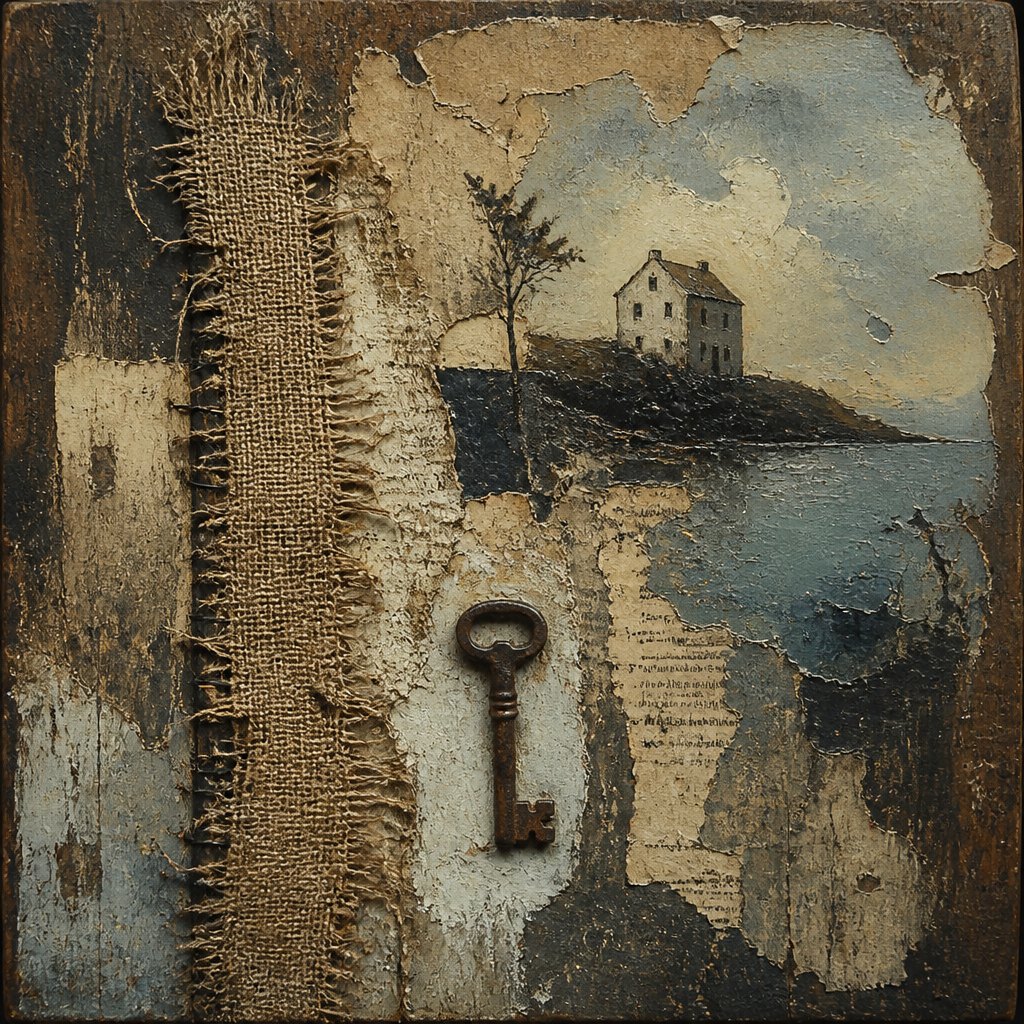 AI-generated
Try the medium
Try mixed media with AI
This example was generated from a prompt like: “A weathered wooden panel layered with torn newspaper clippings, a strip of frayed burlap fabric stitched along one edge, dabs of thick cracked paint, and a small rusted metal key glued near the center, uneven textured surface throughout.”
Open the Mixed Media Portrait Style generator →The medium today
Contemporary mixed media spans gallery installation, textile-and-paint hybrid work, digital-physical combinations, and craft-based practice that folds sewing, printmaking, and assemblage into a single piece. Social and political art frequently uses mixed media specifically because combining materials with different histories — fabric, photographs, text, found objects — lets artists layer meaning in ways a single medium can't. Artists increasingly combine analog materials with digital printing, projection, or AI-generated imagery as one more layer in an already hybrid practice, continuing the medium's long history of absorbing whatever tool serves the work.
Compose your own
To render mixed media convincingly, keep each material visually distinct rather than blending everything into one uniform texture — painted areas should look flat and pigmented, collaged paper should show torn or cut edges and its own printed pattern, fabric should show weave and slight puckering, and any found object should look genuinely dimensional with real shadow and wear. Vary surface sheen deliberately: matte paint next to glossy resin or varnished paper reads as intentional contrast. Let earlier layers peek through gaps, sanded patches, or torn edges in later ones to suggest real physical buildup over time. Avoid making the whole composition too smooth or too clean; visible seams and uneven edges are part of what signals mixed media rather than a single flat medium.
Frequently asked questions
What's the difference between mixed media and collage?
Collage specifically means combining flat paper or printed elements glued to a surface. Mixed media is the broader term, covering any combination of distinct materials or processes — paint, fabric, found objects, photography — so collage is really one technique within mixed media's larger umbrella.
Is mixed media the same as assemblage?
They overlap but aren't identical. Assemblage usually refers specifically to combining three-dimensional found objects into a sculptural work, while mixed media is broader and can include flat, two-dimensional combinations like paint and collaged paper on a canvas.
Does mixed media have to include paint?
No. A piece can combine any two or more distinct materials or processes — fabric and photography, found objects and ink, printed text and thread — without any paint involved at all and still count as mixed media.
How do artists decide what materials to combine?
Usually by what best serves the idea rather than tradition: a material's texture, history, or cultural association gets chosen deliberately, so a scrap of fabric or a found photograph often carries meaning that paint alone couldn't communicate as directly.