
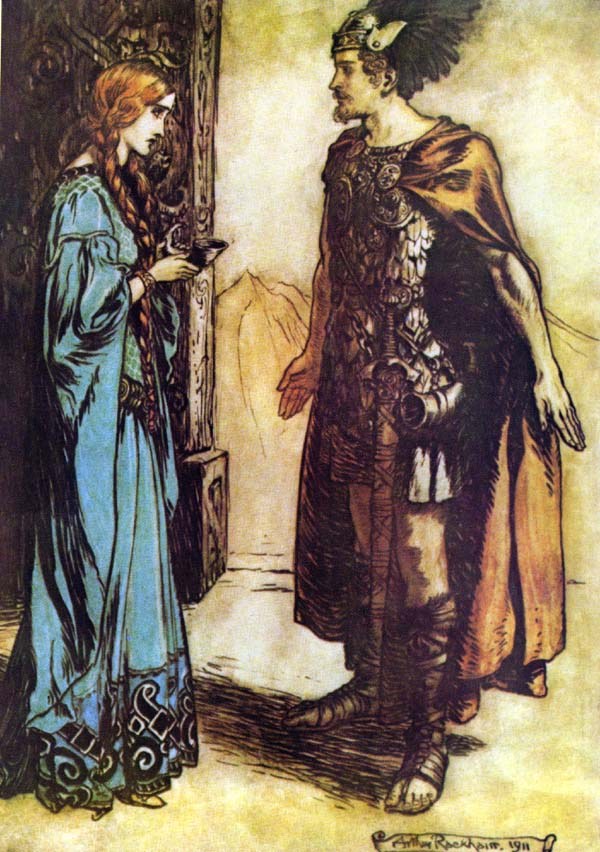
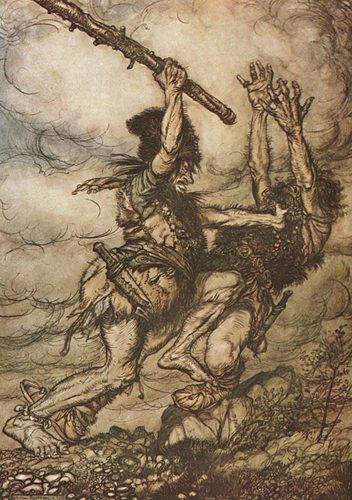
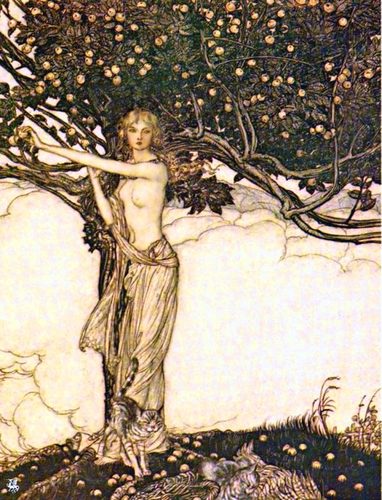
Illustration is image-making built to serve a specific communicative purpose—accompanying a story, explaining a concept, or selling a product—rather than existing purely for its own sake. An illustrator typically works from a brief: a book needs a cover that captures its tone, a magazine needs a spot image that clarifies an article, an advertisement needs an image that sells a feeling. This purpose shapes illustration's whole approach, favoring clarity, mood, and instant readability over ambiguity. Illustrators draw on the same tools as painting and drawing—ink, watercolor, gouache, colored pencil—but today most professional illustration is produced digitally, using a tablet and software that mimics traditional media while adding layers, undo, and easy revision. Genres range from children's book illustration and editorial spot art to concept art for film and games, botanical and scientific illustration, and fashion illustration. What distinguishes illustration from fine art is less the technique than the relationship to a client and audience: illustration answers a brief, even when the resulting image is also personally expressive.
What defines the medium
Working from a brief
Illustration usually starts with a client's brief specifying subject, mood, dimensions, and deadline, and the finished image is judged partly on how well it fulfills that specific communicative job rather than on open-ended artistic merit alone.
Thumbnails and roughs
Illustrators typically sketch several small, quick thumbnail compositions before committing to a final image, testing layout and focal point cheaply. A rough is then shown to a client or art director for approval before final rendering begins.
Style consistency
Professional illustrators develop a recognizable personal style—a consistent line quality, color approach, or rendering technique—that clients hire specifically for, since a distinctive visual voice is often more valuable commercially than pure technical versatility.
Readability at a glance
Because illustration often competes for attention on a page, screen, or shelf, clarity and instant legibility matter more than in slower fine-art viewing—a strong illustration communicates its subject and mood within a second or two.
Digital layering
Most contemporary illustration is built in layers within software, separating line art, flat color, shading, and texture so any element can be adjusted independently, a flexibility traditional media on a single sheet of paper does not allow.
Color and mood matching
Illustrators choose palette deliberately to match a project's tone—muted and warm for a cozy picture book, saturated and high-contrast for an energetic poster—treating color as a functional communication tool as much as an aesthetic choice.
Materials decoder
The toolkit of illustration
- digital drawing tablet
- → a pressure-sensitive pen display or slate that translates hand movement into digital linework
- gouache paint
- → opaque, matte watercolor favored by illustrators for flat, poster-like color
- dip pen and india ink
- → classic tools for crisp linework in editorial and comic-adjacent illustration
- layered digital file
- → separated line, color, and shading layers that keep a digital illustration editable
- swatch palette
- → a curated set of hues chosen to keep an illustration's color scheme cohesive
- lightbox
- → a backlit surface used to trace or refine a rough sketch into clean final linework
- reference board
- → a collected set of photos or sketches gathered before starting a finished illustration
The story
Illustration has existed as long as books have needed pictures—illuminated medieval manuscripts paired hand-painted images with text centuries before printing existed. The rise of print in the fifteenth century, followed by wood engraving and steel engraving, let illustrated books and newspapers reach a mass audience. The nineteenth century's golden age of illustration produced richly detailed magazine and book art as printing technology finally caught up to what illustrators could paint. Advertising illustration boomed through the early twentieth century, when brands relied on painted imagery rather than photography to sell products. Children's book illustration matured into its own respected discipline across the same period. Comic strips and pulp magazine covers pushed illustration toward bold, fast-reading imagery built for newsstands. Photography gradually displaced illustration in advertising and journalism through the mid-twentieth century, but illustration held on and even grew in publishing, concept art, and editorial work. Digital tools arrived in the 1990s and have since become the dominant method for producing professional illustration.
Masterpieces of the medium
| Work | Artist | Date | Why it matters |
|---|---|---|---|
| Alice's Adventures in Wonderland illustrations | John Tenniel | 1865 | original wood-engraved illustrations that defined the characters' look |
| Saturday Evening Post covers | Norman Rockwell | 1916-1963 | decades of narrative American magazine cover illustration |
| Where the Wild Things Are illustrations | Maurice Sendak | 1963 | pen, ink, and watercolor children's book art |
| Winnie-the-Pooh illustrations | E. H. Shepard | 1926 | pen-and-ink drawings that shaped the character for generations |
| Early fashion magazine covers | Unknown | 1910s-1930s | hand-painted covers from before photography took over fashion media |
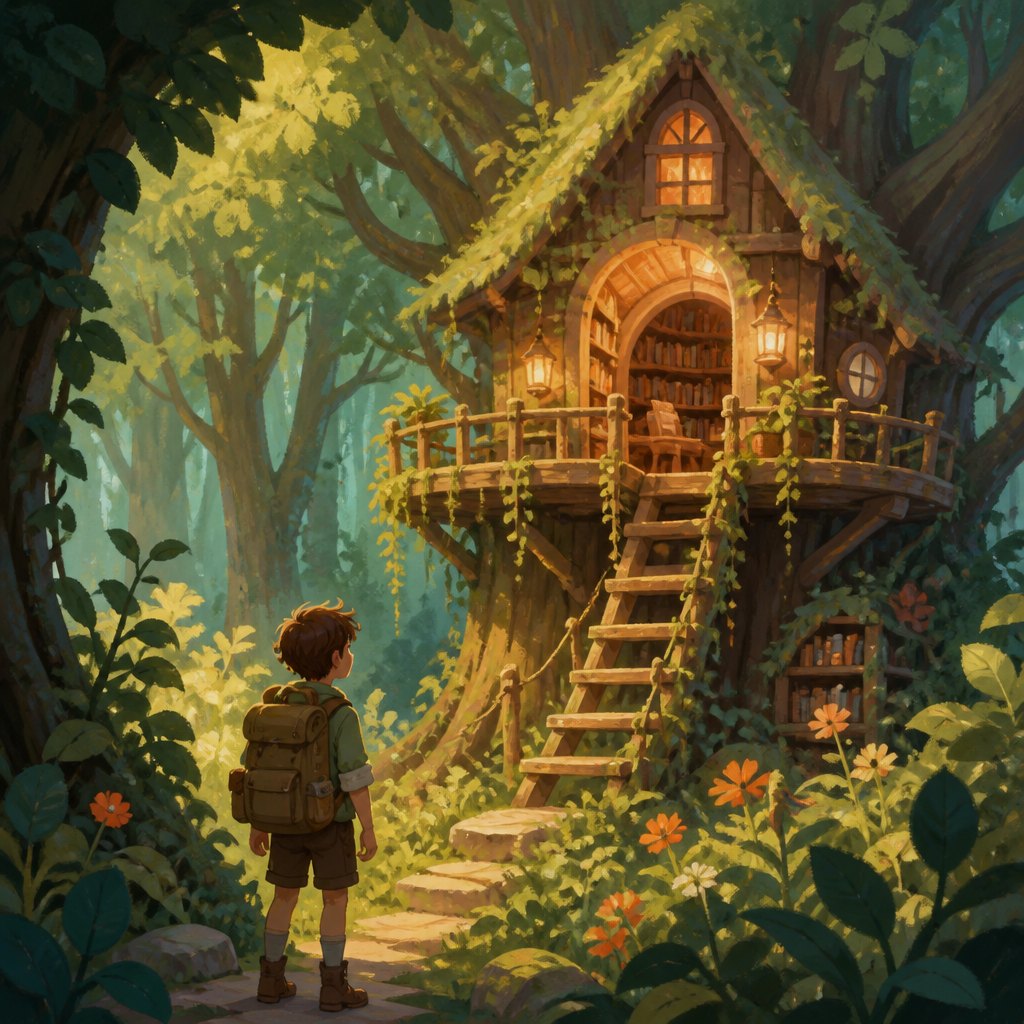 AI-generated
Try the medium
Try illustration with AI
This example was generated from a prompt like: “A young explorer discovering a hidden treehouse library deep in an overgrown forest, digital illustration with warm gouache-style color, soft rounded shapes, gentle rim lighting, cozy storybook mood, clean simplified background.”
Open the Digital Illustration Portrait Style generator →The medium today
Illustration today lives mostly on screens—book covers, app icons, editorial websites, and social media all commission original illustration constantly. Digital painting software has made a full range of traditional-looking media, from watercolor to oil, achievable without physical materials or drying time. Concept art for games and film has grown into one of illustration's largest and highest-paid branches. AI image generation has entered the field as both a tool some illustrators use in their process and a competitive pressure many are actively pushing back against.
Compose your own
To get a strong illustration result from an image generator, specify the sub-genre and its conventions: children's book illustration with soft, rounded shapes and warm color; editorial illustration with a bold, simplified concept; concept art with atmospheric lighting and environmental detail. Naming a medium look helps even for a digital piece—flat gouache color, painterly digital brushwork, or clean vector-style line art. Describe the color mood directly, warm and cozy, cool and moody, or bright and playful, since illustration relies heavily on color to set tone. Keep the composition simple and legible, with one clear focal point, since illustration favors instant readability over dense, busy detail.
Frequently asked questions
What's the difference between illustration and fine art?
Illustration is created to serve a specific purpose—a book, an ad, a product—defined by a client brief, while fine art is typically made for its own sake without an external commercial requirement. The techniques often overlap; the intent and audience differ.
Do illustrators need to draw traditionally before going digital?
Most working illustrators still recommend it—traditional drawing builds fundamental skills in proportion, value, and mark-making that transfer directly to digital tools, while skipping straight to software can leave gaps that are harder to fix later.
What software do professional illustrators use?
Digital painting apps are the most common choice, with vector programs used for flat, scalable work like icons and infographics. Many illustrators still work traditionally in ink, gouache, or watercolor and scan the finished piece for digital use.
How is a book cover illustration different from an interior one?
A cover has to work as a small, eye-catching thumbnail that sells the book instantly, so it favors bold color and a single strong image. Interior illustrations support the reading experience and can be quieter, more detailed, and paced with the text.