
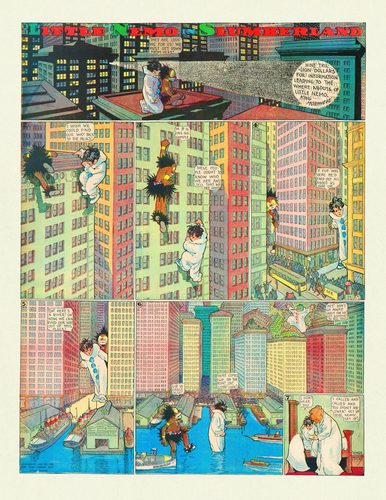
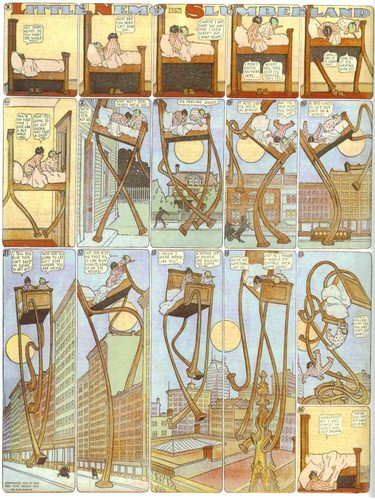
Comic art, or sequential art, tells a story through a series of drawn images arranged in panels that the reader moves through in order, usually left to right and top to bottom. A single panel captures one moment; the blank gutter between panels is where the reader's mind fills in the passage of time or action, a technique unique to the medium. Comic art typically combines drawn images with text—dialogue in speech balloons, narration in caption boxes, sound effects lettered directly into the scene—though purely wordless comics exist too. Page layout is itself a storytelling tool: panel size, shape, and arrangement can slow down or speed up a reader's pace, and a large splash panel can land a dramatic beat that a grid of small panels cannot. Styles range from tightly rendered superhero art to loose, expressive graphic-novel linework to the clean, consistent line of manga-influenced work. Comic art spans single-panel gag cartoons, comic strips, comic books, graphic novels, and webcomics, unified by the same core grammar of sequence and panel.
What defines the medium
Panels and gutters
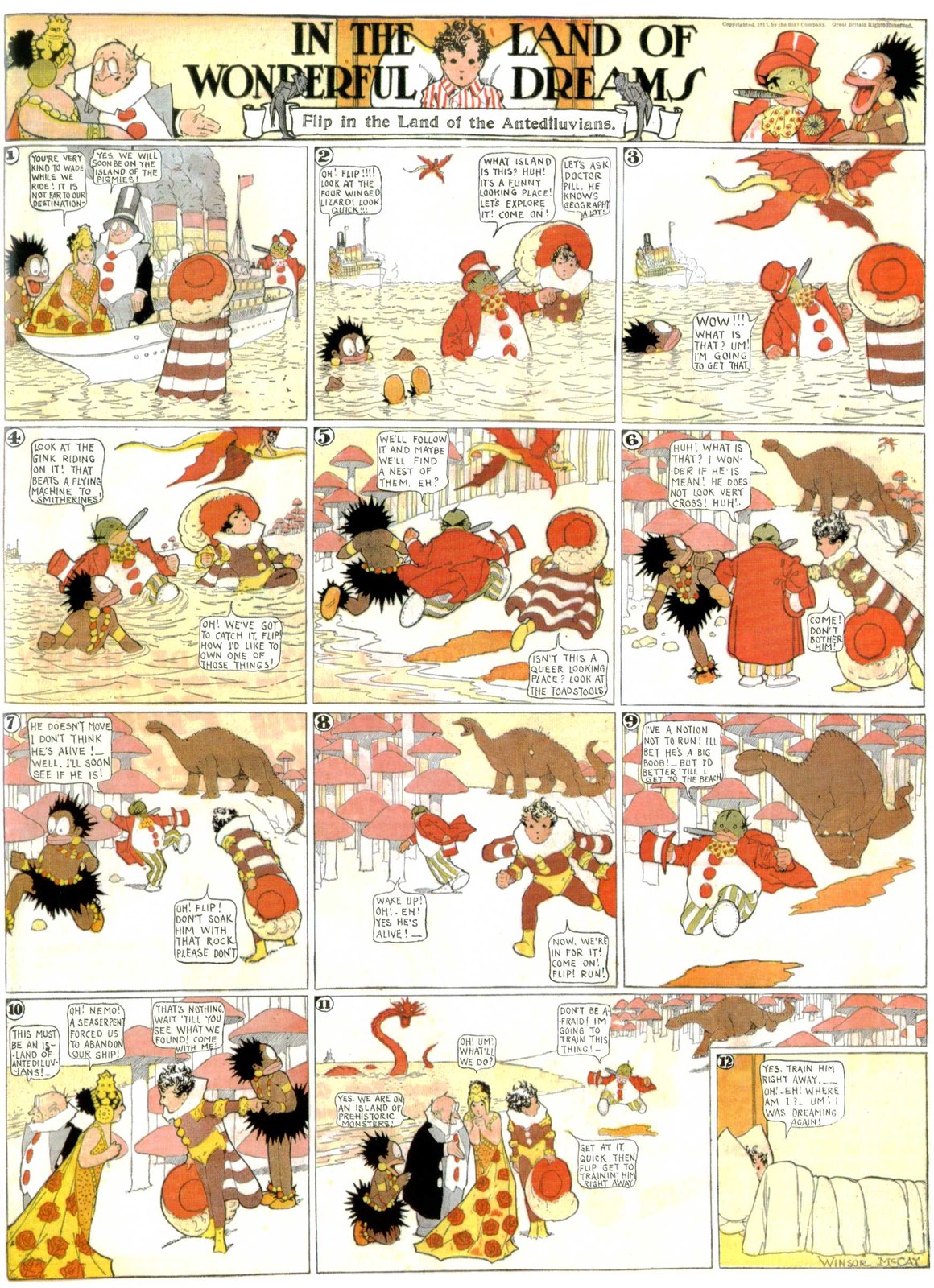
A panel frames one captured moment; the gutter, the gap between panels, is where the reader mentally constructs everything that happens between them. This reader-completed transition is comic art's defining structural trick, unlike film's continuous motion.
Page layout and pacing
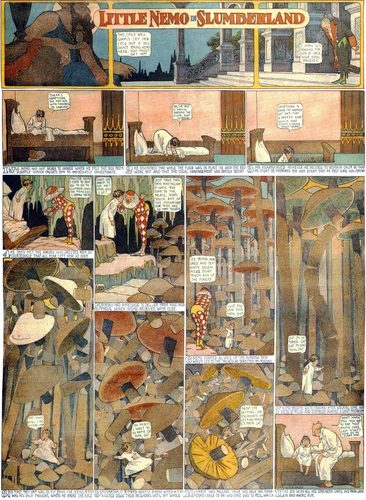
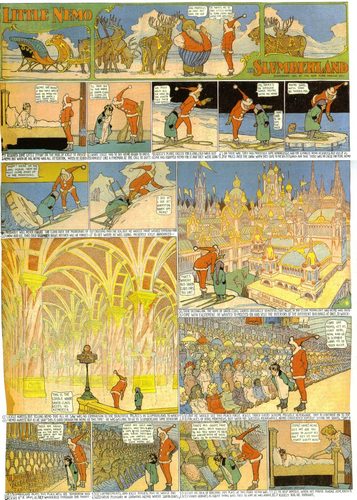
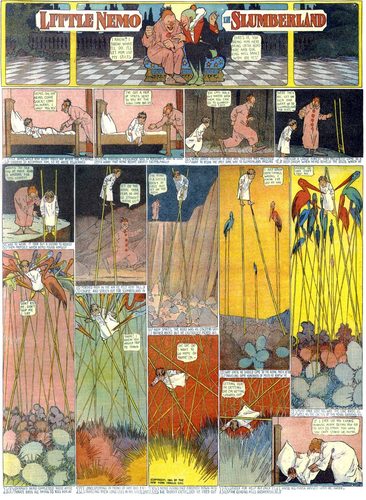
Panel size and arrangement control reading rhythm—small, regular panels read quickly and steadily, while a large panel or full-page splash forces a pause, landing a dramatic or emotional beat that smaller panels cannot deliver alone.
Lettering and speech balloons
Dialogue sits in speech balloons, thought in cloud-shaped ones, and narration in caption boxes, each with its own visual convention. Sound effects are often hand-lettered directly into the art, treating text as part of the image itself.
Line and inking
Most comic art separates penciling, the underlying drawing, from inking, finished confident line work over it, a division of labor that lets a consistent, bold line carry the visual style even across different original pencilers.
Character consistency
Because a story unfolds across dozens or hundreds of panels, characters need a design simple and distinct enough to draw accurately and consistently from every angle, panel after panel, without the drawing style drifting noticeably.
Establishing shots and close-ups
Comic artists borrow film-like shot variety—wide establishing panels to set a scene, close-ups for emotional emphasis—cutting between them to control both information and pacing, much like a director choosing camera angles for a scene.
Materials decoder
The toolkit of comic art
- inking brush or nib pen
- → the fine-tipped tool used to lay down bold, confident final linework over pencils
- speech balloon
- → the outlined shape containing spoken dialogue, pointed toward the character who says it
- gutter
- → the blank space between panels where the reader mentally fills in missing action
- splash page
- → a single large image filling most or all of a page for dramatic impact
- lettering font
- → the typeface or hand-drawn text used for dialogue, captions, and sound effects
- bristol board
- → smooth, sturdy paper favored for traditional comic penciling and inking
- digital comic layers
- → separated pencil, ink, color, and lettering layers in comic-making software
The story
Sequential storytelling through images stretches back to medieval tapestries and column reliefs, but comic art as a distinct print medium emerged in the nineteenth century alongside mass newspaper printing, with early illustrated strips combining image and caption. American newspaper comic strips became a daily fixture by the early twentieth century, and dedicated comic books followed in the 1930s, quickly dominated by the superhero genre after the debut of costumed characters like Superman. A mid-century moral panic over violent comic content led the industry to adopt a strict self-censorship code that shaped content for decades. Underground and alternative comics of the 1960s and 70s pushed back against those restrictions with more personal, adult subject matter. Japan developed manga into a massive, format-defining industry in parallel, with its own visual grammar of expressive line and dynamic paneling. The graphic novel format, gaining wider literary respect from the 1980s onward, established that long-form comic storytelling could carry serious, book-length narrative weight. Webcomics have since opened the medium to independent creators outside traditional print publishing.
Masterpieces of the medium
| Work | Artist | Date | Why it matters |
|---|---|---|---|
| Superman debut story | Jerry Siegel and Joe Shuster | 1938 | the Action Comics story credited with launching the superhero genre |
| Maus | Art Spiegelman | 1980-1991 | graphic novel that won a Pulitzer Prize for its Holocaust narrative |
| Watchmen | Alan Moore and Dave Gibbons | 1986-1987 | a densely structured superhero deconstruction landmark for the medium |
| Tintin series | Herge | 1929-1976 | long-running clear-line adventure comics translated worldwide |
| Astro Boy | Osamu Tezuka | 1952 | a foundational work in shaping modern manga's visual style |
 AI-generated
Try the medium
Try comic art with AI
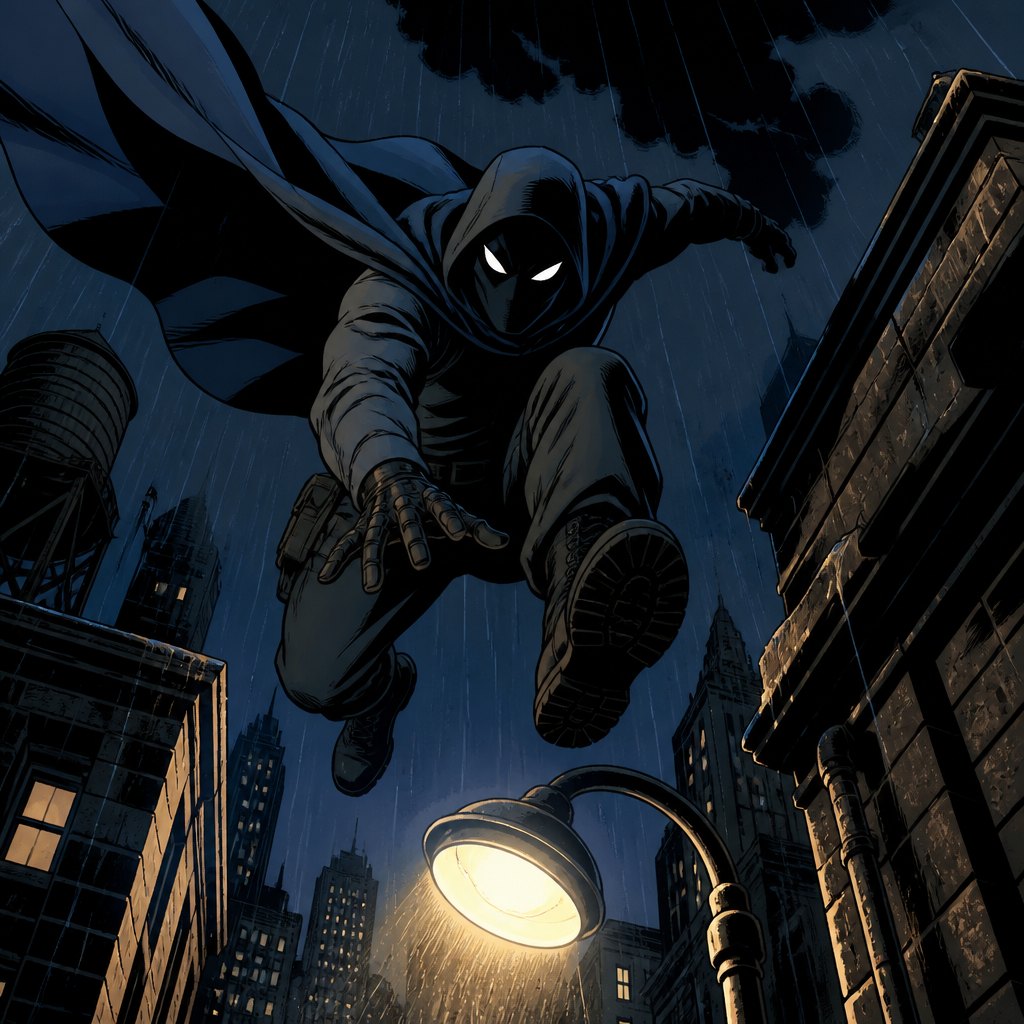
This example was generated from a prompt like: “A masked vigilante leaping between rain-soaked rooftops at night, comic book art with bold black outlines, flat cell-shaded color, dramatic low-angle panel composition, dynamic motion lines, high-contrast lighting from a streetlamp below.”
Open the Comic Book Pop Art Style generator →The medium today
Comic art today spans print graphic novels, digital webcomics published in scrolling vertical format, and manga-influenced work published across both. Digital publishing platforms let independent creators release work directly to readers without a traditional publisher, and serialized webcomics often build large followings chapter by chapter. Comic art also feeds directly into film and game concept art, storyboarding, and animation, where its panel-based storytelling logic transfers naturally. Superhero properties remain the medium's most commercially visible face, even as graphic novels and webcomics diversify the genres comic art covers.
Compose your own
To get comic-style results from an image generator, specify the linework: bold black outlines with flat cell-shaded color for a Western comic look, or clean, dynamic line with screen-tone shading for a manga-influenced look. Describe panel composition directly—a dramatic low-angle close-up, a wide establishing shot, dynamic action lines suggesting motion—since comic art relies heavily on shot variety. Mention ink weight, thick confident outlines versus fine detail linework, and whether color is flat and graphic or rendered with gradients and texture. For a full page, describe panel count and layout explicitly, since comic composition is as much about arrangement as any single drawing.
Frequently asked questions
What's the difference between a comic strip, comic book, and graphic novel?
A comic strip is a short, usually single-page sequence, often serialized daily. A comic book is a longer periodical installment, typically twenty to thirty pages. A graphic novel is a complete, book-length story, either original or collecting a longer series.
What is the gutter in comic art?
The gutter is the blank gap between panels. No action is actually drawn there—the reader's mind automatically fills in what happened in the time between one panel and the next, letting comics compress long stretches of time efficiently.
How is manga different from Western comics?
Manga is typically printed in black and white, read right to left, and uses more dynamic, cinematic paneling with frequent close-ups and motion lines. Western comics more often use full color and a more uniform grid-based panel layout.
Do I need to know how to write to make comics?
It helps but is not strictly required—many successful comics are collaborations between a separate writer and artist, splitting story and script from pencils, inks, and color. Solo creators handle both, but the skills are distinct and separable.