
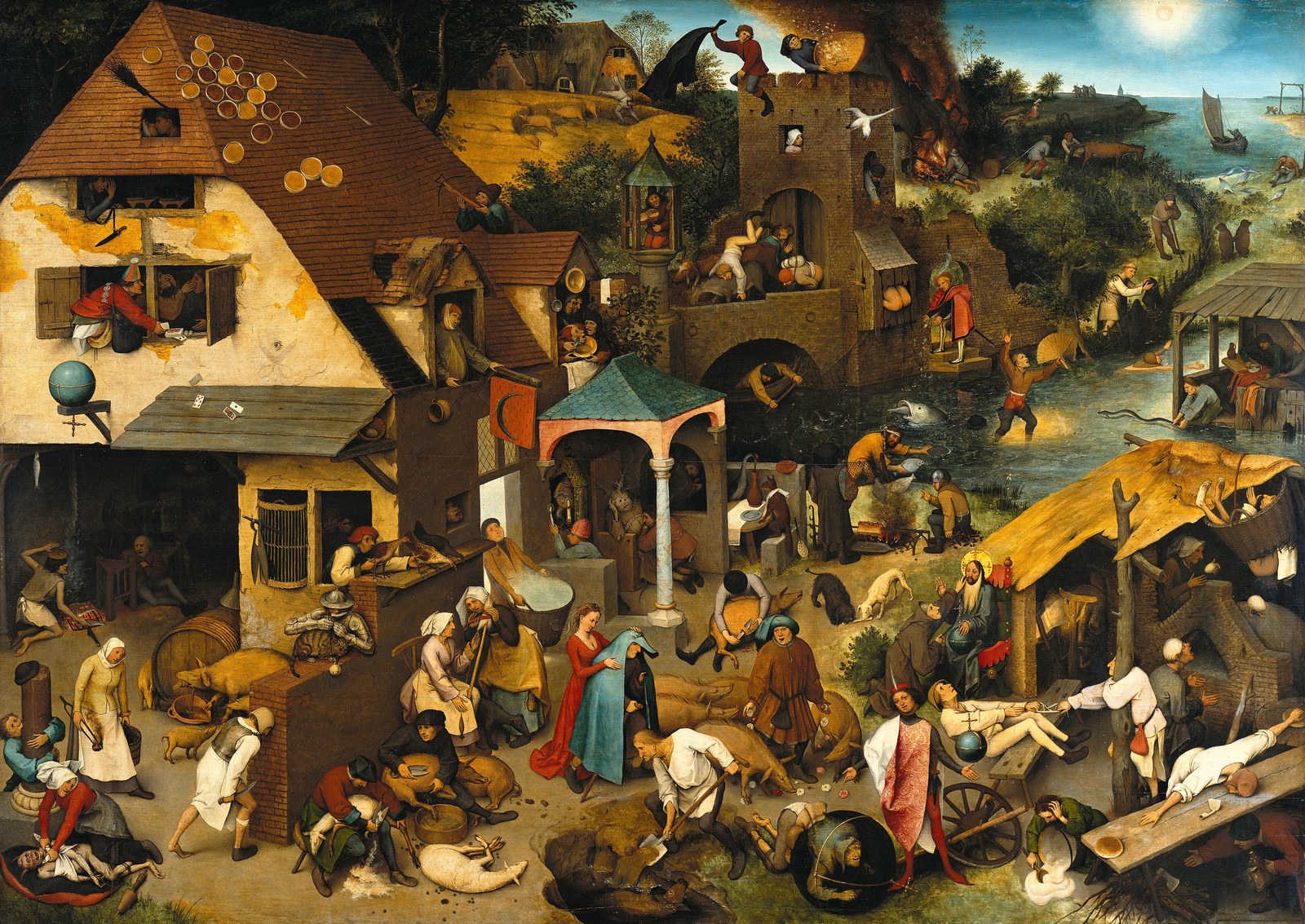
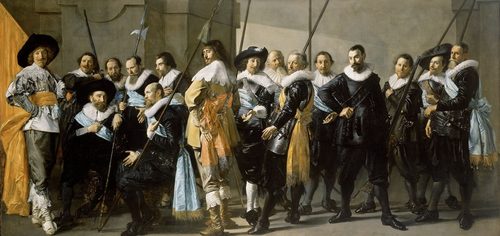
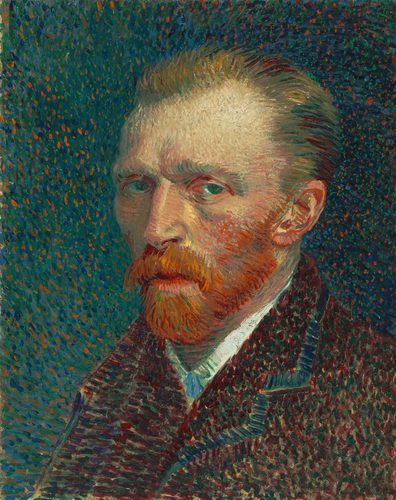
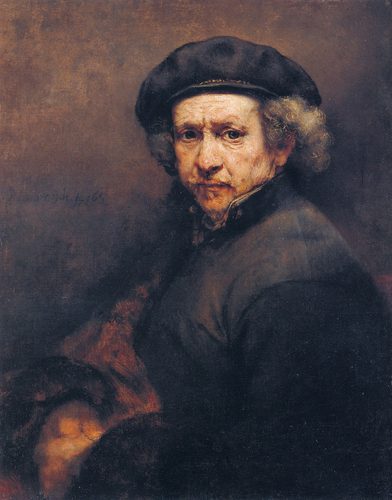
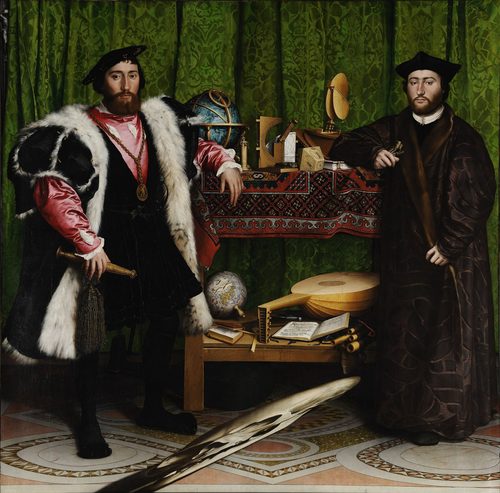
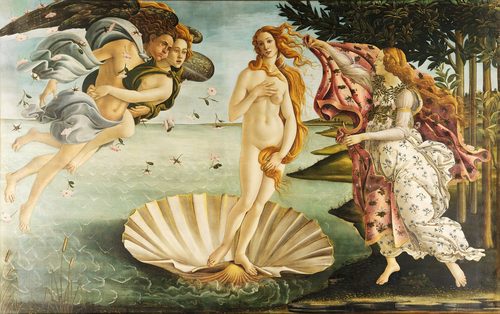
Painting is the application of pigment suspended in a binder to a surface, built up in layers or strokes until an image or field of color emerges. The binder is what separates one painting medium from the next: oil suspends pigment in drying oil for slow, blendable work; acrylic uses a fast-drying polymer emulsion; watercolor and gouache use gum arabic and thin with water; egg tempera binds pigment in egg yolk for crisp, luminous strokes that dry almost instantly. What unites them is the same basic act—loading a tool with color and moving it across a ground, whether that ground is canvas, panel, paper, or wall. Painters work wet-into-wet for soft blending or let layers dry between passes for glazing and control. Scale ranges from a postcard-sized study to a mural covering an entire ceiling. Painting remains the medium most people picture when they hear the word art, prized for the way surface, color, and gesture fuse into a single physical object.
What defines the medium
Layering and underpainting
Most paintings build from dark to light or thin to thick, starting with a toned or sketched underpainting that blocks in values before color arrives. Later layers correct, refine, and add detail, so the finished surface often hides several earlier stages beneath it.
Wet-into-wet versus glazing
Painters choose between blending color while it is still wet, which softens edges and mixes hues directly on the surface, or letting each layer dry before adding a transparent glaze on top. The two approaches produce very different surfaces.
The support and ground
Paint needs something to sit on: stretched canvas, wood panel, paper, or wall, each first sealed or primed with a ground like gesso so pigment binds properly and does not sink in unevenly. The support affects texture, absorbency, and longevity.
Brushwork and mark-making
The way paint is dragged, dabbed, or dragged with a loaded brush or palette knife leaves a visible record of the artist's hand—thick impasto ridges, thin scumbled veils, or smooth blended passages with no trace of the tool at all.
Color mixing and palette
Painters mix a working palette from a handful of core pigments rather than buying every possible hue, learning how warm and cool versions of each color shift when combined. Controlled mixing keeps a painting's colors feeling related, not scattered.
Composition and focal point
Before color goes down, most painters block in a composition—where the eye should enter, rest, and travel—using value contrast, line, and placement to guide attention. A strong composition holds a painting together even with a restrained palette.
Materials decoder
The toolkit of painting
- hog-bristle brush
- → the workhorse of oil painting, stiff enough to push thick, heavy paint across canvas
- sable brush
- → a soft, fine-pointed brush for watercolor and detail work that holds a sharp point when wet
- palette knife
- → a flat steel blade for mixing paint and laying it on in thick, sculptural ridges
- stretched canvas
- → woven cotton or linen pulled taut over a wood frame, the standard support for oil and acrylic
- gesso
- → a chalky primer that seals a surface and gives paint something to grip
- linseed oil
- → the traditional binder and medium for oil paint, slowing drying time and adding gloss
- mixing palette
- → a wood or glass slab for blending colors before they touch the canvas
- easel
- → an adjustable stand that holds the work upright at eye level while painting
The story
Painting is one of the oldest human art forms, beginning with mineral pigments pressed onto cave walls tens of thousands of years ago. Ancient Egyptian and Greek painters worked in tempera and encaustic, pigment bound in hot wax, while medieval European artists refined tempera panel painting for religious altarpieces. The fifteenth century brought oil paint to prominence in Northern Europe, prized for its slow drying time and capacity for subtle blending and glazing. The Renaissance and Baroque periods pushed oil painting toward increasingly realistic light, volume, and perspective. Watercolor grew into a serious medium for landscape and botanical work by the eighteenth century. The nineteenth century saw pigment sold in portable metal tubes for the first time, freeing painters to work outdoors. Acrylic paint arrived in the mid-twentieth century as a fast-drying, water-cleanup alternative, and today painters move freely between traditional and synthetic media, often within a single work.
Masterpieces of the medium
| Work | Artist | Date | Why it matters |
|---|---|---|---|
| Mona Lisa | Leonardo da Vinci | c. 1503-1519 | oil on poplar panel famous for its soft sfumato blending |
| The Starry Night | Vincent van Gogh | 1889 | oil on canvas built from thick, swirling impasto strokes |
| Las Meninas | Diego Velazquez | 1656 | oil on canvas celebrated for its complex spatial composition |
| Water Lilies | Claude Monet | 1914-1926 | a series of large oil canvases painted in his Giverny studio |
| American Gothic | Grant Wood | 1930 | oil on beaverboard rendered in crisp, controlled detail |
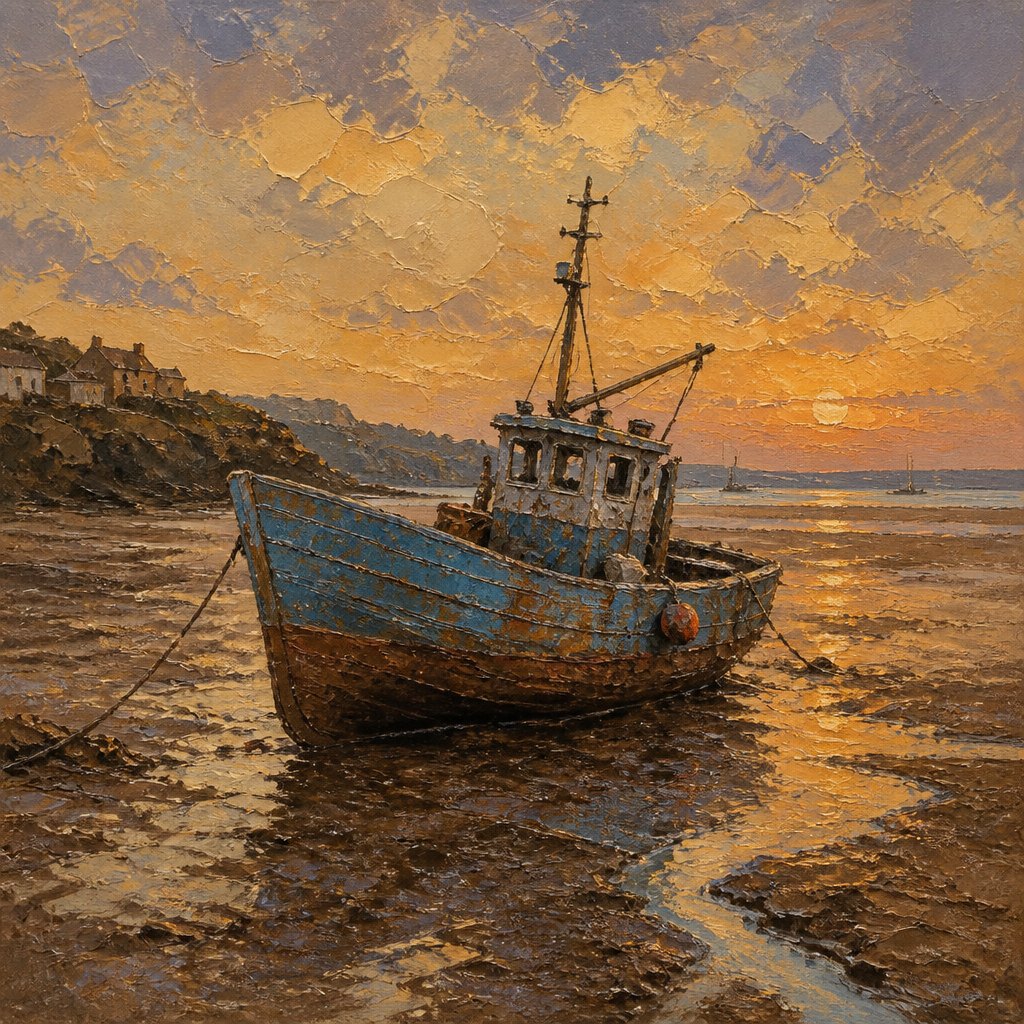 AI-generated
Try the medium
Try painting with AI
This example was generated from a prompt like: “A weathered fishing boat resting on a tidal mudflat at low tide, painted in thick oil impasto with visible knife strokes, warm ochre and slate-blue palette, soft evening light, textured canvas visible beneath the paint.”
Open the Oil Painting Art Style generator →The medium today
Painting today spans traditional studio practice, street murals, and digital canvases where a stylus stands in for a brush. Acrylic remains the most widely used medium for its speed and low toxicity, while oil retains a following among painters who value slow, layered working methods. Contemporary painters mix media freely, combining paint with collage, spray, or digital printing on the same surface. Process videos of a painting building up layer by layer have become as popular online as the finished work itself.
Compose your own
To render believable painting in an image generator, specify the medium and its texture: oil painting with visible brushstrokes and impasto, watercolor with soft bleeding edges and visible paper texture, or acrylic with flat, matte color. Naming the support helps—canvas texture, wood panel, or textured paper—along with the tool, like palette-knife strokes or a fine detail brush. Describe the paint handling directly: thick and sculptural, thin and glazed, loose and gestural, or tightly blended. Describe a limited palette or a specific dominant hue for cohesion. Avoid vague terms like painterly; instead specify brush size, paint thickness, and how wet or dry the strokes appear for a convincing result.
Frequently asked questions
What's the difference between oil and acrylic paint?
Oil paint stays wet for days, letting painters blend colors slowly and rework passages over time. Acrylic dries in minutes, forcing faster decisions but allowing layers to stack quickly. Oil has more depth and gloss when finished; acrylic is more durable and less prone to yellowing.
Do I need to prime a canvas before painting?
Yes—raw canvas or wood absorbs paint unevenly and can degrade fibers over time. A layer of gesso seals the surface, gives it tooth for paint to grip, and lets colors sit evenly on top instead of soaking in patchily.
What is impasto?
Impasto is paint applied thickly enough to hold its own texture and brush or knife marks, creating a raised, sculptural surface rather than a flat one. It catches real light and shadow, adding a physical dimension beyond the painted image.
Can watercolor be corrected once it's dry?
To a point—lifting with a damp brush or sponge can lighten dried watercolor, and glazing thin layers on top can adjust color, but watercolor's transparency means heavy mistakes are hard to fully hide, unlike opaque media such as gouache.