
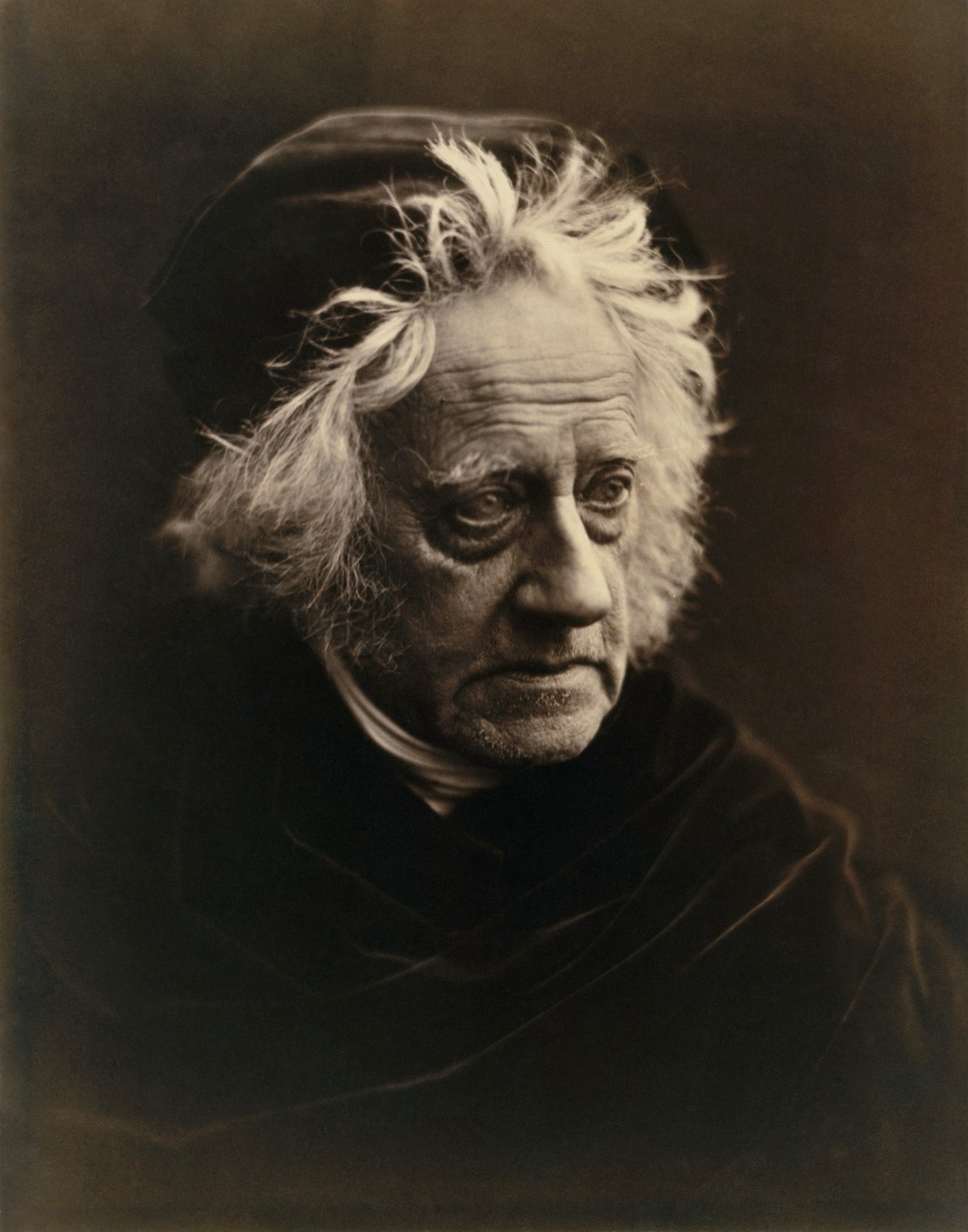
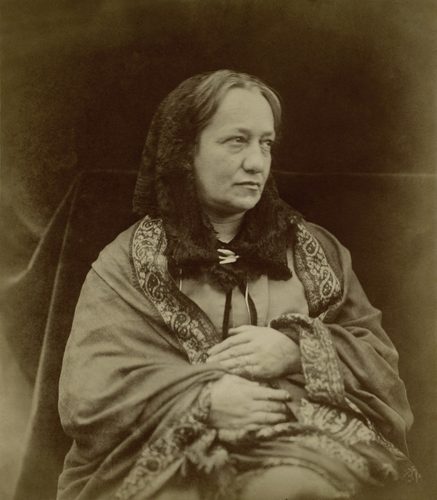
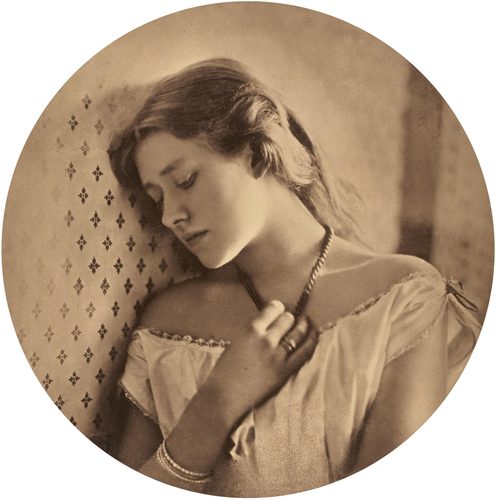
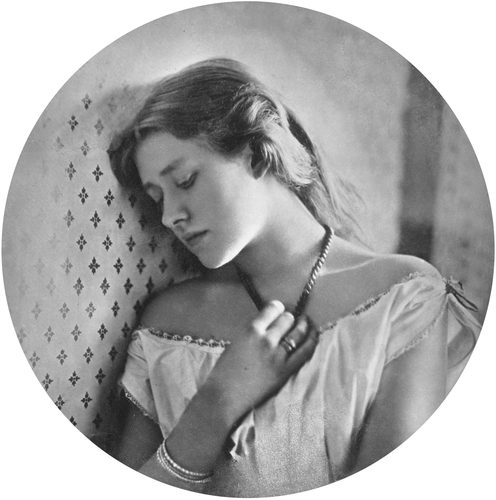
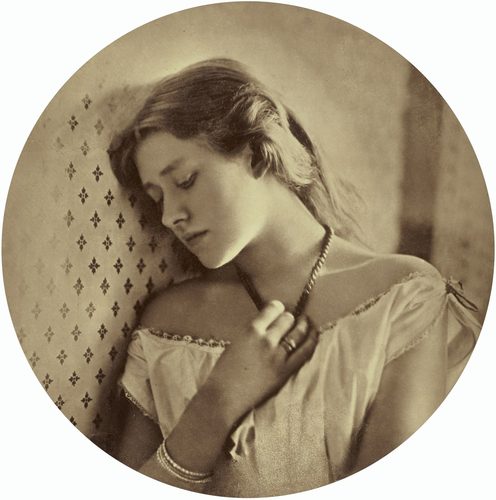
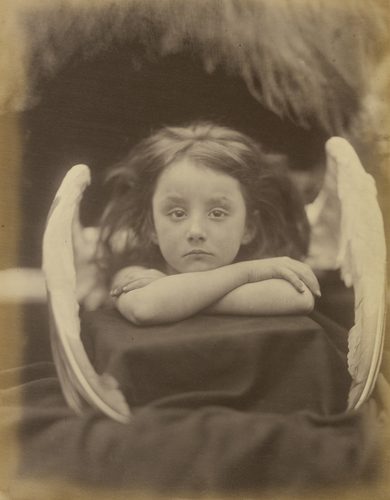
Photography is the process of capturing light through a lens and fixing it as a permanent image, whether on light-sensitive film or a digital sensor. A camera controls three variables to shape that captured light: aperture, how much light enters; shutter speed, how long it is collected; and ISO or film sensitivity, how strongly the medium responds to it. Together these determine exposure, depth of field, and whether motion appears frozen or blurred. Fine art photography spans genres from documentary and portraiture to landscape, still life, and abstract experimentation with light itself. Analog photography develops film chemically and can be printed in a darkroom on light-sensitive paper, while digital photography captures data directly and is processed and output through software. Both traditions share the same underlying discipline: framing a subject, controlling light, and choosing the decisive instant to release the shutter. Photography's unique claim among visual mediums is its direct link to something that actually existed in front of the camera at a real moment.
What defines the medium
Exposure triangle
Aperture, shutter speed, and ISO work together to control exposure—each one also has a side effect, from depth of field to motion blur to digital noise, so photographers balance all three rather than adjusting one in isolation.
Depth of field
A wide aperture blurs the background behind a sharp subject, isolating it from its surroundings, while a narrow aperture keeps a whole scene in focus front to back. Controlling this range is a core compositional decision in every shot.
Composition and framing
Rule-of-thirds placement, leading lines, and framing within the frame guide a viewer's eye through a photograph the same way they do in painting, but a photographer composes in real time, choosing angle and moment rather than building the scene.
Light quality and direction
Soft, diffused light from an overcast sky or window flatters skin and reduces harsh shadow, while hard direct light creates strong contrast and defined shadow shapes. Photographers often plan entire shoots around the available light's quality and direction.
The decisive moment
Unlike painting or drawing, a photograph captures a single fixed instant chosen from continuous, changing reality—a gesture, an expression, a peak of action—making timing as central a skill to photography as framing or exposure.
Post-processing
From darkroom dodging and burning to digital color grading, nearly every photograph is adjusted after capture—contrast, tone, and cropping refine what the camera recorded without necessarily changing what was actually in front of the lens.
Materials decoder
The toolkit of photography
- camera body
- → the light-sealed box housing the sensor or film and the shutter mechanism
- prime lens
- → a fixed focal-length lens prized for sharpness and wide maximum apertures
- tripod
- → a three-legged stand that eliminates camera shake for long exposures and precise framing
- light meter
- → a device or built-in sensor that measures light to set correct exposure
- reflector
- → a fabric disc that bounces available light back onto a subject to fill in shadow
- darkroom enlarger
- → a device that projects a film negative onto photographic paper to make a print
- filter
- → glass placed over the lens to control color balance or reduce light entering
- memory card or film roll
- → the physical medium that records each captured image, digital or chemical
The story
Photography emerged in the early nineteenth century once chemists found materials that darkened permanently when exposed to light. The daguerreotype, announced in 1839, produced a single sharp image on a silvered copper plate, while the calotype process that followed introduced a negative that could be printed multiple times, the basis for all film photography since. Wet-plate collodion photography dominated the mid-nineteenth century, followed by dry gelatin plates and, by the 1880s, flexible roll film that put cameras within reach of ordinary people. Black-and-white silver-gelatin printing remained the standard through most of the twentieth century, alongside the rise of color film from the 1930s onward. Photojournalism and documentary photography became major cultural forces through the world wars and the civil rights era. Digital sensors began replacing film commercially in the 1990s and became dominant within about a decade, and the smartphone has since turned photography into the most widely practiced visual medium in human history.
Masterpieces of the medium
| Work | Artist | Date | Why it matters |
|---|---|---|---|
| Migrant Mother | Dorothea Lange | 1936 | Depression-era portrait that became a defining documentary image |
| The Steerage | Alfred Stieglitz | 1907 | early argument for photography as fine art through composition |
| Moonrise, Hernandez, New Mexico | Ansel Adams | 1941 | landscape print famous for its dramatic tonal range |
| Earthrise | William Anders | 1968 | photograph taken from lunar orbit that reshaped views of the planet |
| Afghan Girl | Steve McCurry | 1984 | portrait known for its intense green-eyed gaze |
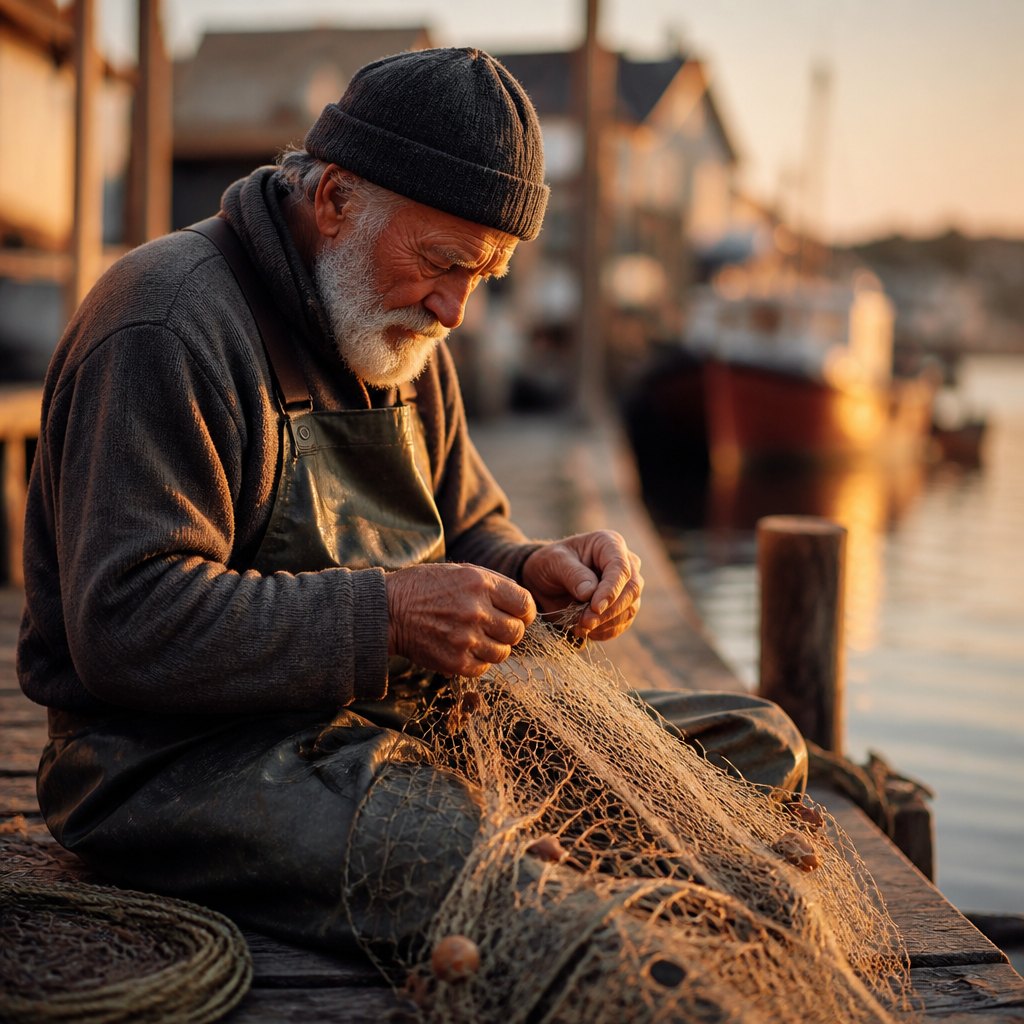 AI-generated
Try the medium
Try photography with AI
This example was generated from a prompt like: “An elderly fisherman mending a net on a weathered dock at golden hour, shot with a shallow depth of field, warm side lighting, soft blurred harbor background, natural skin tones, candid unposed expression.”
Open the Moody Portrait Photography Style generator →The medium today
Nearly every photograph made today is captured on a phone and shared instantly, collapsing the old gap between taking a picture and publishing it. Fine art and documentary photographers still shoot on dedicated cameras and even return to film for its distinct grain and color response. Computational photography now blends multiple exposures automatically to extend dynamic range beyond what a single sensor reading could capture. Photography remains the medium most entangled with questions of truth and manipulation, as editing tools make convincing alteration easier than ever.
Compose your own
To get a photographic result from an image generator, specify camera-language details: focal length, 35mm for environmental context, 85mm for flattering portrait compression; aperture for depth of field, f/1.8 for a blurred background, f/11 for everything sharp; and lighting direction, golden hour side light, overcast soft light, or hard midday sun. Mention film stock or sensor character if a specific look is wanted—grainy black-and-white film, warm analog color, or clean digital sharpness. Composition terms like rule of thirds, shallow depth of field, or a low camera angle read clearly to most generators, producing a far more convincing and specific result than vague terms.
Frequently asked questions
What is the exposure triangle?
It is the relationship between aperture, shutter speed, and ISO, the three settings that together control how bright or dark a photo turns out. Adjusting any one affects the others, so photographers balance all three based on light and effect.
Why do some photographers still shoot film?
Film offers a distinct grain, color rendering, and highlight roll-off that many photographers find hard to replicate digitally, plus a deliberate, slower shooting process some prefer creatively. It also has a fixed, tangible negative rather than an easily altered file.
What makes a photo fine art rather than a snapshot?
Intent, composition, and consistency of vision generally separate the two—fine art photography is made deliberately to communicate an idea or aesthetic and often exists as a considered series, while a snapshot simply documents a moment.
Do I need an expensive camera to take good photos?
No—understanding light, composition, and timing matters far more than equipment, and modern phone cameras are capable of genuinely strong images. Better gear mainly helps in specific situations like low light, fast action, or very large prints.