
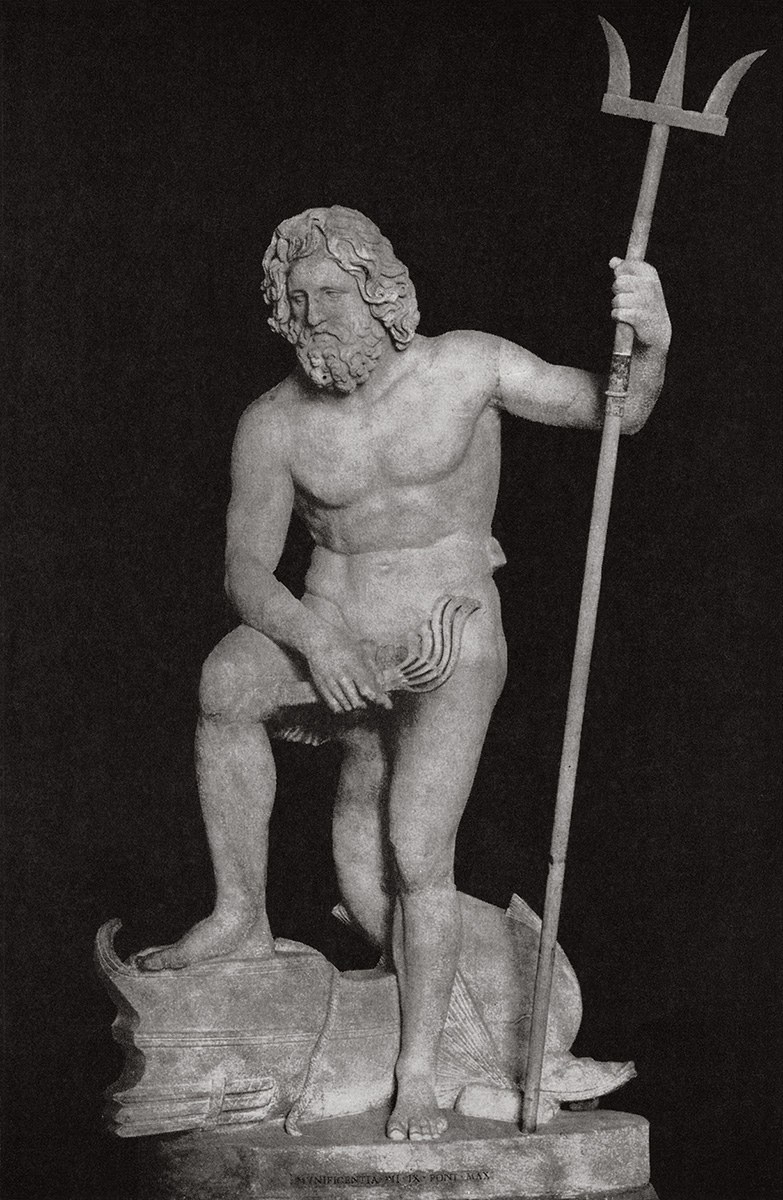
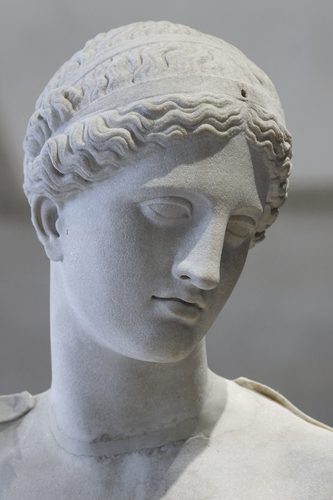
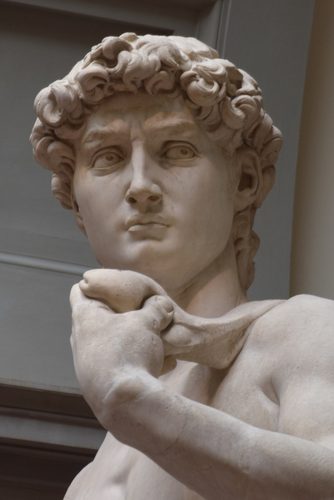
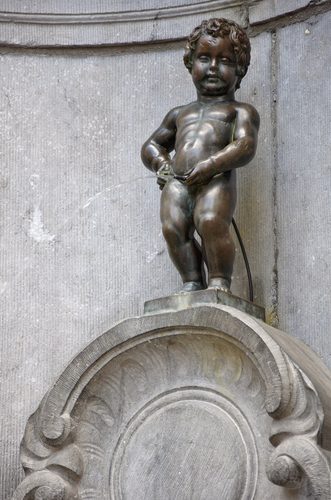
Sculpture is the art of giving form to matter in three dimensions, so a work has real mass, real void, and a surface that changes as light moves across it or as you move around it. Where painting flattens the world onto a plane, sculpture occupies the same physical space as its viewer — you can walk a full circle around a bronze figure, duck under a suspended piece, or study a polished stone curve up close. The medium splits into four core processes: carving, which subtracts material from a solid block of stone or wood; modeling, which builds up a soft material like clay or wax; casting, which pours molten metal or liquid resin into a mold taken from a modeled original; and assembling, which joins found or fabricated parts. Scale ranges from a fist-sized figurine to a public monument forty feet tall, and a work can be freestanding, wall-mounted relief, or site-specific. What unites the process is a physical, often laborious negotiation with a material that resists the maker's hand.
What defines the medium
Mass and Void
Every sculpture is a negotiation between solid material and the empty space around and sometimes through it — a torso's weight balanced against the gap of a bent arm, a monument's silhouette read against open sky.
In-the-Round vs. Relief
Freestanding sculpture invites a full circuit of viewing angles, while relief carving stays attached to a background plane, projecting from low bas-relief barely raised off the surface to high relief that nearly separates from it.
Additive and Subtractive Process
Carving removes material from a solid block until the form emerges, while modeling builds a form up from a soft, workable substance — two opposite physical logics that shape everything from tool choice to how mistakes get corrected.
Material as Meaning
Bronze reads as permanent and civic, marble as luxurious and classical, wood as warm and vernacular, found metal as scrappy and contemporary — the material a sculptor chooses carries connotations before a single form is decided.
Base, Plinth, and Site
How and where a sculpture is presented changes its meaning: a pedestal elevates a figure to monument status, while a work set on a gallery floor or in a landscape asks to be encountered as an equal, sharing the viewer's space.
Scale and the Body
Scale is a sculptor's primary expressive tool — a life-size figure meets the viewer eye to eye, a miniature invites close, private inspection, and an oversized monument overwhelms the body on purpose.
Materials decoder
The toolkit of sculpture
- chisel and mallet
- → the carver's basic kit for removing stone or wood, struck at controlled angles to split material along its grain or grade
- armature
- → an internal skeleton of wire or rebar that holds soft modeling material like clay or wax upright while a figure is built
- lost-wax mold
- → a wax original melted out of a ceramic shell so molten bronze can fill the cavity it leaves behind
- patina
- → a chemical surface finish, often greenish or dark brown, that protects bronze and signals age or intentional color
- plinth
- → the base or pedestal that lifts a sculpture off the ground and frames it as a discrete object
- rasp and rifflers
- → small hand files used to smooth and refine carved surfaces after the bulk of the material has been removed
- maquette
- → a small preparatory model that lets a sculptor test proportion and composition before committing to full scale
The story
Sculpture is as old as portable art itself — small carved figures from the last Ice Age already show the additive-subtractive logic still used today. Ancient civilizations across the Mediterranean, Africa, and Asia carved cult figures, funerary monuments, and architectural reliefs in stone and wood, while metal casting spread wherever bronze technology took hold. Classical Greek sculptors refined naturalistic modeling of the human body, and that vocabulary was revived across European art for centuries after. Wood and stone carving traditions in West Africa, South and East Asia, and the Pacific developed independently, with their own conventions of abstraction, proportion, and symbolic material. Renaissance and Baroque sculptors pushed marble carving toward dramatic movement, while the twentieth century broke open the definition entirely — modernists abstracted the figure, welded steel introduced industrial assembly, and later artists moved sculpture off the pedestal into direct floor and site placement, incorporating unconventional materials.
Masterpieces of the medium
| Work | Artist | Date | Why it matters |
|---|---|---|---|
| David | Michelangelo | 1501-1504 | a marble figure so precisely carved it defined heroic anatomy for centuries after |
| The Thinker | Auguste Rodin | 1904 | a bronze cast so widely reproduced it became visual shorthand for contemplation itself |
| Terracotta Army | Unknown | c. 210 BCE | thousands of individually modeled clay soldiers buried to guard a Chinese emperor's tomb |
| Venus de Milo | Unknown | c. 100 BCE | an armless marble goddess whose missing pieces only deepened its fame |
| Bird in Space | Constantin Brâncuși | 1923 | a polished bronze abstraction so pared-down it once sparked a customs lawsuit over whether it counted as art |
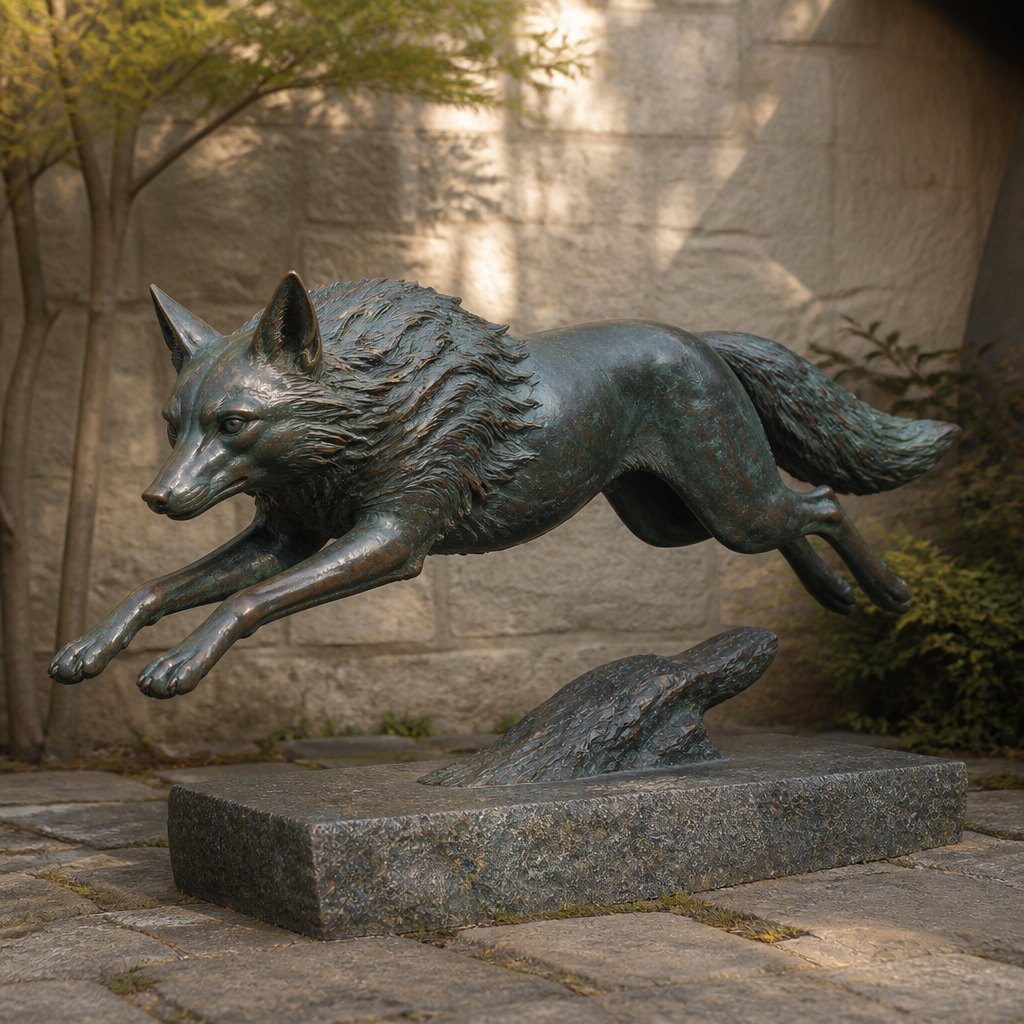 AI-generated
Try the medium
Try sculpture with AI
This example was generated from a prompt like: “A weathered bronze sculpture of a leaping fox mid-stride, dark green patina catching afternoon light, mounted on a low granite plinth in a quiet courtyard garden, smooth polished surfaces contrasting with a textured, hand-tooled mane.”
Open the Classical Marble Sculpture Art Style generator →The medium today
Contemporary sculpture ranges from traditional bronze foundry casting and stone carving, still taught and practiced worldwide, to 3D-printed forms, kinetic and motorized pieces, and monumental public commissions engineered with the same software used for buildings. Social media has made outdoor and site-specific sculpture newly photogenic, driving demand for large-scale, walk-through public works. Digital sculpting software lets artists model virtually before a single material is touched, and that same digital file can now drive a CNC router, a 3D printer, or a traditional foundry mold, blurring the line between hand and machine.
Compose your own
To art-direct a sculpture image, specify the process and material together — carved white marble, cast bronze with a dark patina, welded raw steel, or hand-built stoneware clay — since each implies a different surface finish and toolmark. Describe the form in three-dimensional terms: mass, negative space, silhouette from multiple angles, and how it meets its base or plinth. Note the lighting direction, since sculpture reads through shadow and highlight across its surface, and specify an environment — studio, gallery plinth, outdoor plaza, or landscape — because setting changes scale perception. Mentioning a specific finish sharpens the surface detail considerably.
Frequently asked questions
What's the difference between sculpture in the round and relief sculpture?
Sculpture in the round is freestanding and viewable from every angle, while relief sculpture stays attached to a flat background and projects outward, from barely raised low relief to nearly free-standing high relief.
What materials are used in sculpture?
Traditional materials include stone, wood, bronze, and clay, while contemporary sculptors also work in steel, found objects, resin, glass, textiles, and digitally fabricated plastics — almost any material that can hold a form.
How is bronze casting done?
Most bronze sculpture uses the lost-wax method: a wax version of the form is coated in a ceramic shell, melted out, and the resulting cavity is filled with molten bronze, then finished by hand.
Is 3D printing considered sculpture?
Many contemporary sculptors use 3D printing as one step in a larger process, alongside modeling, casting, or hand-finishing, so it generally counts as a sculptural tool rather than a separate medium.