
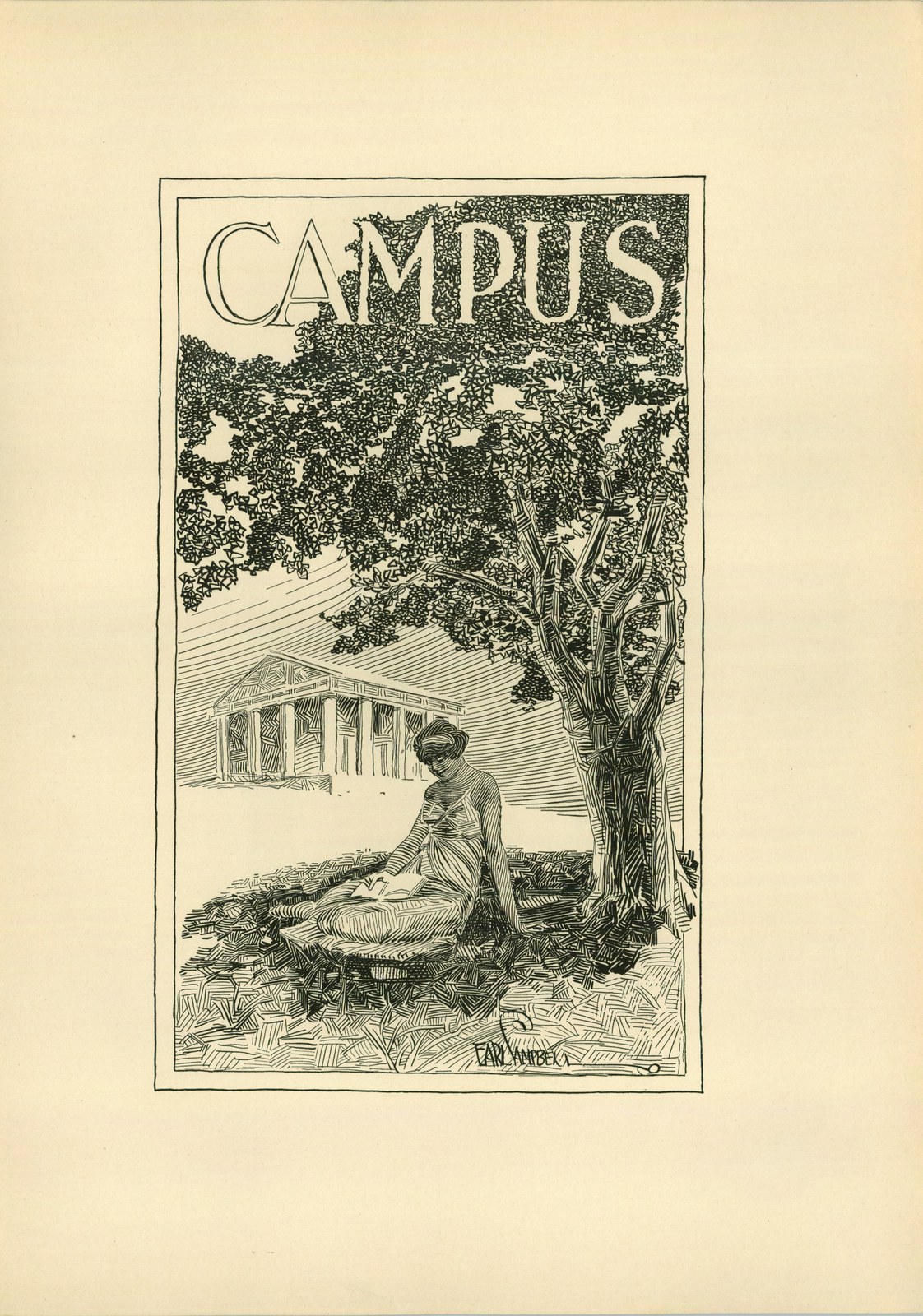
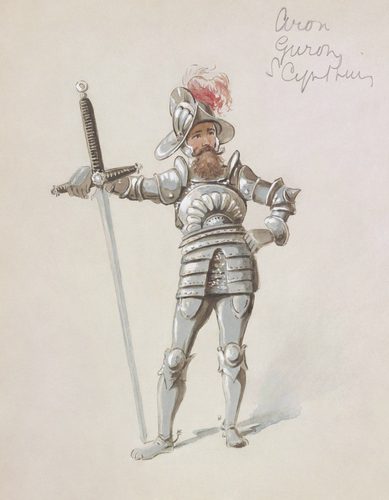
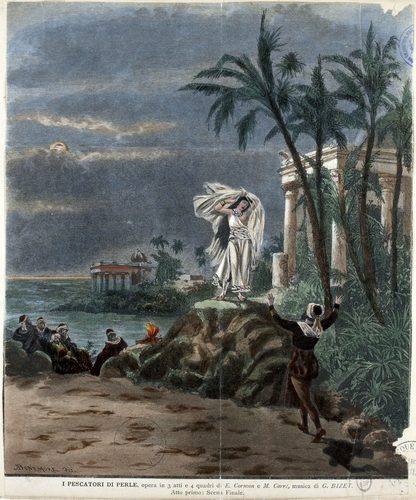
Concept art is illustration made to explore and communicate the visual design of a film, video game, animated production, or other creative project before it goes into production. Concept artists sketch characters, environments, vehicles, props, and mood before a director, art director, or team commits resources to building or animating them. Work ranges from loose thumbnail sketches exploring many options quickly to highly rendered, full-color illustrations used to sell a final direction. Tools include traditional pencil, marker, and gouache, but the field now works primarily in digital painting software on a tablet or stylus display, building images in layers that can be revised rapidly. A concept piece typically favors mood, silhouette, and readable form over fine finish, since its job is to guide decisions rather than stand as a completed artwork. Turnaround sheets, color scripts, and environment paintings are common deliverables alongside single hero illustrations.
What defines the medium
Thumbnail exploration
Concept work often starts with dozens of small, rough thumbnail sketches exploring silhouette and composition options quickly, before a chosen direction is developed into a larger, more finished piece.
Silhouette and readability
A strong concept design reads clearly as a solid black silhouette, so shape language and proportion are tested before color or detail are added, ensuring the design communicates at a glance.
Mood and color scripts
Environment and narrative concept art often uses color scripts, sequences of small paintings that map how lighting and palette shift across a story, establishing atmosphere before any set or scene is built.
Digital layered painting
Most contemporary concept art is built in digital painting software using layered brushes, allowing rapid revisions, color changes, and blending that would be slower to achieve in traditional media.
Turnarounds and orthographic views
Character and prop designs are often finished with turnaround sheets showing front, side, and back views, giving modelers or animators the information needed to build the design in three dimensions.
Client and director feedback loops
Concept art is produced under direction, revised through rounds of feedback from art directors or clients, and judged on how well it solves a visual problem rather than on originality alone.
Materials decoder
The toolkit of concept art
- digital tablet and stylus
- → the primary tool of modern concept art, a pressure-sensitive pen used to paint directly on screen in layered digital software
- thumbnail sketch grid
- → small, rough rectangles of quick sketches exploring many compositions before one is chosen for further development
- silhouette study
- → a solid black shape used to test whether a character or object design reads clearly without any interior detail
- color script
- → a row of small thumbnail paintings mapping lighting and mood changes across a story sequence
- orthographic turnaround
- → front, side, and back views of a character or object laid out together for use by modelers and animators
- loose gestural underpainting
- → a rough blocked-in stage of color and value used to establish mood before detail is added on top
The story
Concept art grew out of studio-era Hollywood production illustration, where artists in the 1930s and 1940s painted mood and set concepts for films to guide directors and art departments. Animation studios developed the practice further, with visual development artists shaping the look of feature-length animated films from the 1930s onward. The field expanded significantly with the rise of science-fiction and fantasy filmmaking from the 1970s onward, when elaborate creature, vehicle, and environment designs required extensive pre-production art. Video game studios adopted the same process from the 1980s and 1990s as game worlds grew more visually complex. Digital painting software and tablet displays, widely adopted through the 1990s and 2000s, replaced much traditional media in the field, speeding revision cycles. Concept art has since become a recognized specialty with its own portfolios, exhibitions, and published art-of-the-film books documenting production design.
Masterpieces of the medium
| Work | Artist | Date | Why it matters |
|---|---|---|---|
| Silly Symphonies development paintings | Unknown | 1930s | early color and mood concept paintings used to plan Disney's short animated films |
| King Kong production illustrations | Unknown | 1933 | pre-production paintings establishing the film's jungle setting and creature design |
| 20,000 Leagues Under the Sea concept paintings | Unknown | 1954 | production design paintings guiding the film's submarine and underwater sets |
| Star Wars pre-production concept paintings | Unknown | 1975-1977 | widely published concept paintings that established the film's visual world before shooting began |
| Academy Museum of Motion Pictures concept art holdings | Unknown | opened 2021 | a major public collection preserving film production and concept illustration history |
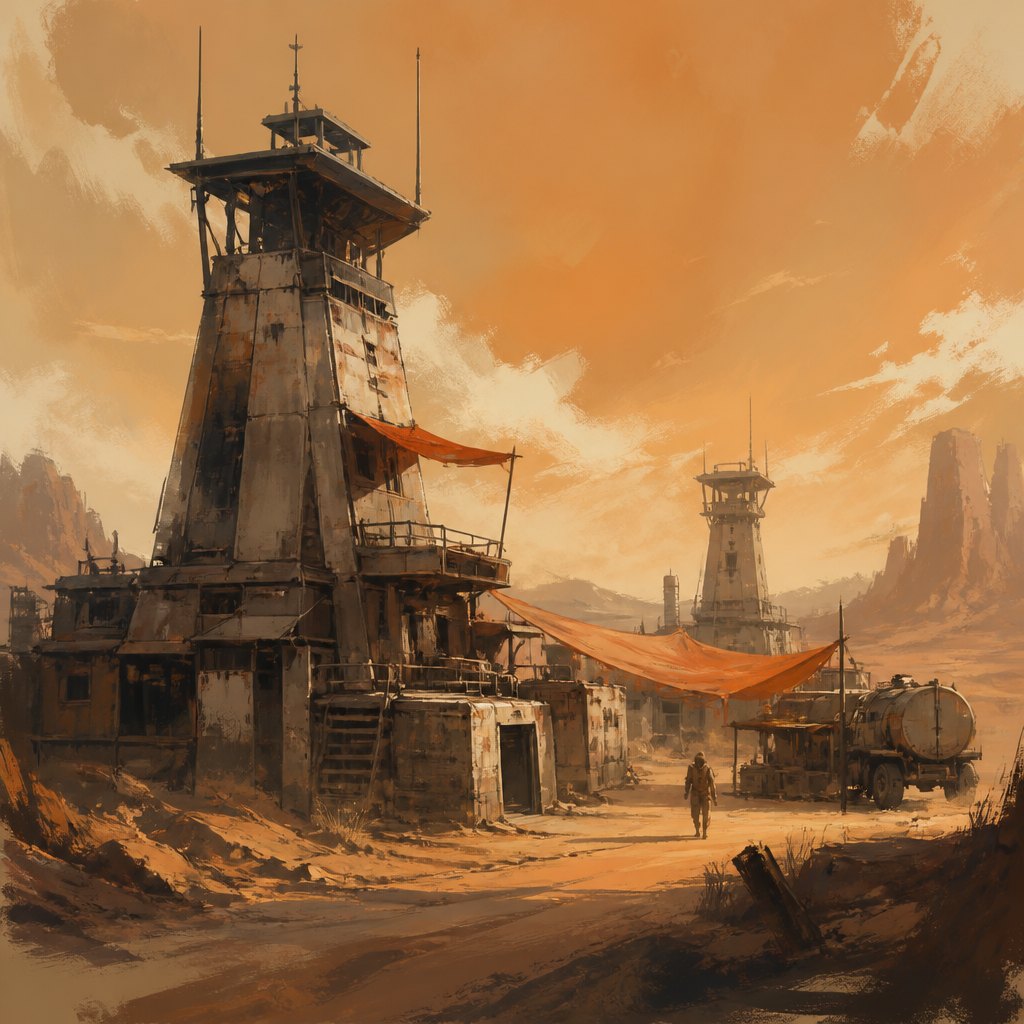 AI-generated
Try the medium
Try concept art with AI
This example was generated from a prompt like: “A concept illustration of a weathered desert outpost with angular metal towers, loose digital brushwork establishing mood and lighting, warm dusty orange sky, rough unfinished edges typical of pre-production visual development art.”
Open the Concept Art Style generator →The medium today
Concept art today is central to film, animation, and game production, produced largely in digital painting software and shared through dedicated online portfolios, industry publications, and art-of-the-film books after a project's release. Studios employ concept artists across specialties—character, environment, vehicle, and prop design—often working from a shared style guide. Online communities and portfolio platforms have made concept art one of the most visible commercial illustration fields, with tutorials and process breakdowns widely shared to teach the digital painting techniques the work depends on.
Compose your own
Begin with quick thumbnail sketches exploring many rough ideas for a character, object, or scene rather than refining one drawing immediately. Study silhouette and readable shape before adding color or detail, since a design should communicate clearly even in solid black. Learn digital painting basics in software with layered brushes, practicing blocking in large shapes of value and color before refining. Study anatomy, perspective, and material rendering, since concept art depends on convincing believable structure quickly. Building a themed portfolio—environments, characters, or props in a consistent style—is the standard path toward professional work in film or game production.
Frequently asked questions
What's the difference between concept art and illustration?
Illustration is typically a finished standalone image made to be viewed as-is, while concept art is a working tool meant to guide production decisions, often revised repeatedly and judged by how well it solves a design problem.
What software do concept artists use?
Digital painting programs with layered brushes are standard, used on a tablet or pen display so artists can block in value, adjust color, and refine detail quickly across many revisions before a design is finalized.
Do concept artists design everything in a film or game?
Concept art establishes the visual direction that art directors, modelers, and set builders then execute, so concept artists work closely with production teams rather than building the final assets themselves.
Is concept art shown to the public?
Finished game or film concept art is usually kept private during production, then often published afterward in art-of-the-film books, museum exhibitions, or artist portfolios once the project is released.