
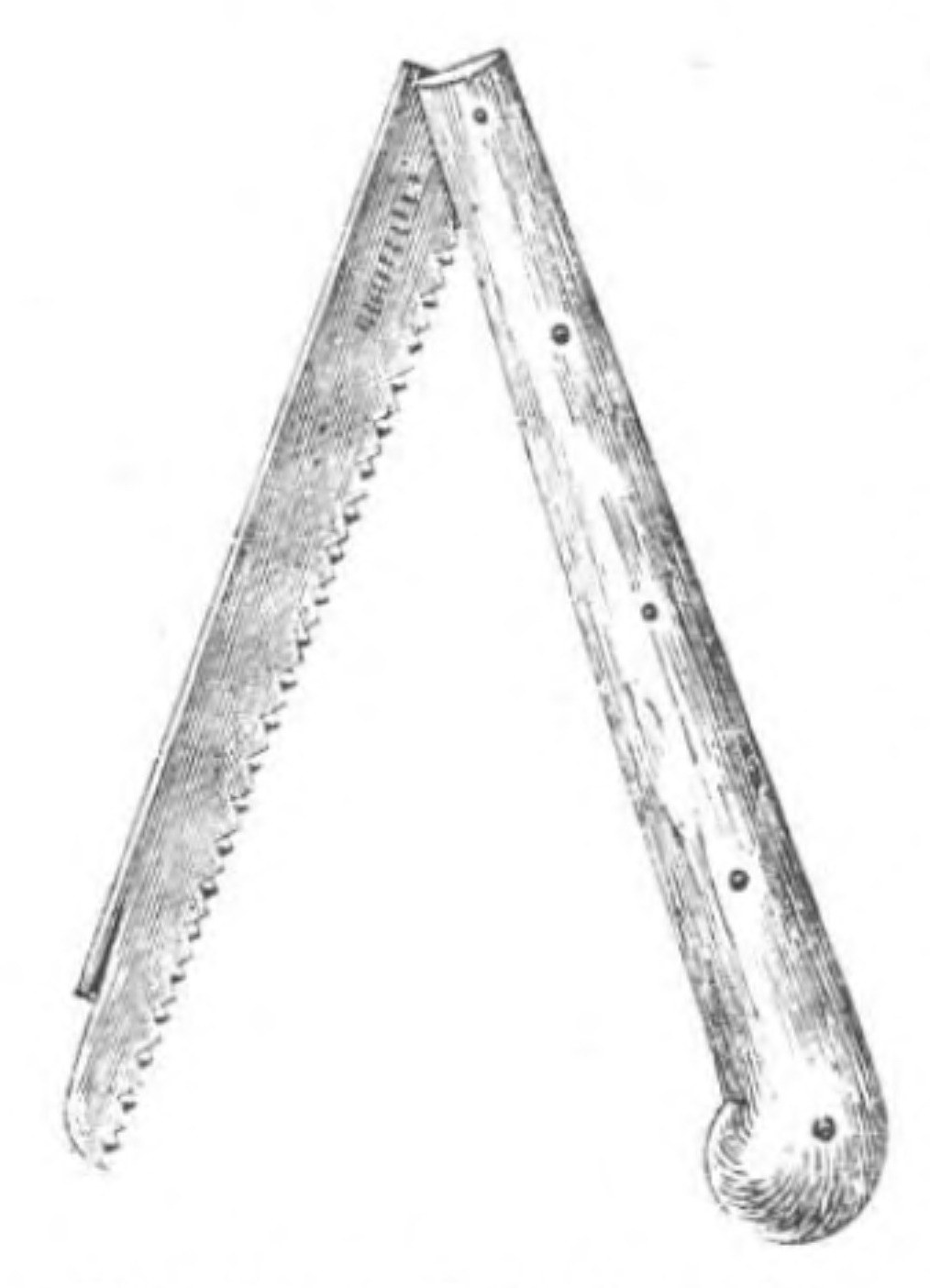
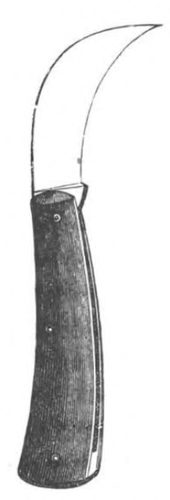
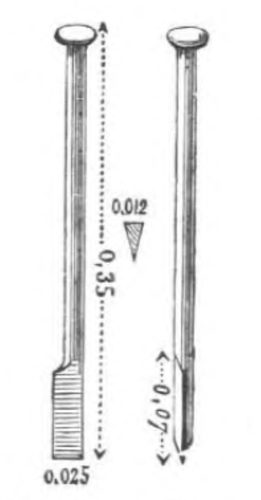
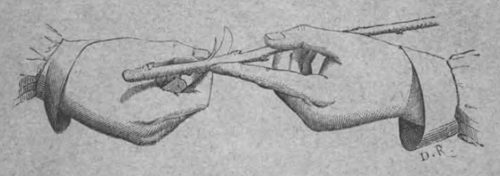
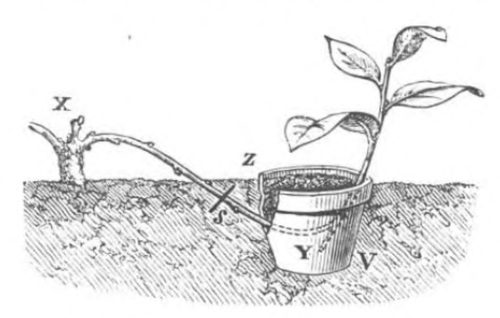
Line art defines a subject using outline and contour rather than shading, tone, or color fill. A single continuous or broken line traces the edges of a form, sometimes varying in weight to suggest depth or emphasis, but the interior of shapes is usually left flat, blank, or filled with a single tone. Traditional tools include dip pen and ink, technical pens, graphite pencil, and the engraver's burin cutting lines into metal or wood; digital line art uses a stylus and vector pen tool to draw clean, resizable strokes. The defining look is graphic and economical: crisp edges, deliberate negative space, and no gradual transitions between light and dark. Line art appears in technical illustration, tattoo design, engraving and woodcut printmaking, comic inking, coloring-book outlines, and vector logo work, anywhere clarity of shape matters more than rendered volume.
What defines the medium
Contour over shading
Line art defines form entirely through the path of a line tracing an edge, rather than through gradual value change. Volume is implied by line placement and weight, not by blending or cross-hatched shadow.
Line weight carries emphasis
A thicker outline on a form's silhouette or shadow side, against a thinner interior line, is the main tool line artists use to suggest depth, weight, and which edges sit in front of others.
Continuous versus broken line
Some line art is drawn as one unbroken line without lifting the pen, prized for its fluid, single-gesture look; other line art uses many separate strokes built up edge by edge for more controlled detail.
Negative space does real work
Because interiors are usually left flat or empty, the shape of the blank space around and inside a line drawing carries as much information as the lines themselves, and is planned as carefully as the marks.
Committing to ink
Once a line is inked or engraved it generally cannot be softened or blended, so line artists usually work out proportions in pencil first, then commit to final, confident strokes in pen, brush, or burin.
Vector line as a modern standard
Digital line art is commonly built from vector paths rather than raster pixels, keeping edges crisp at any size, which is why line art is the default style for logos, icons, and scalable illustration.
Materials decoder
The toolkit of line art
- dip pen and ink
- → a nib pen dipped in liquid ink, producing line weight that swells and thins with hand pressure
- technical pen
- → a fixed-width fineliner used for even, mechanically consistent lines in technical and comic inking
- engraving burin
- → a steel cutting tool that carves fine lines directly into a metal plate for printed line art
- cross-contour hatching
- → short lines following a form's curve, used sparingly in line art to hint at volume without full shading
- woodblock line cut
- → raised ridges left after carving away a wood surface, printing as crisp black outline
- vector pen tool
- → a digital anchor-point path that produces smooth, infinitely scalable line art
The story
Line-based image-making runs through engraving, woodcut, and ink drawing across many cultures: ancient Greek vase painters used black-figure and red-figure outline silhouettes, and Chinese and Japanese ink painters developed calligraphic contour brushwork for centuries. European printmakers refined line engraving and woodcut from the 15th century, with Albrecht Dürer's detailed engraved lines setting a technical standard. Japanese ukiyo-e woodblock prints, including Katsushika Hokusai's work, relied on clean carved outline for mass reproduction. Late 19th-century illustrators such as Aubrey Beardsley pushed pure black-and-white line into a decorative Art Nouveau style for print. Twentieth-century commercial illustration and comics standardized pen-and-ink line work, and vector software later moved the same principles onto screens, where line art remains the basis of icon design, technical diagrams, and coloring-book outlines.
Masterpieces of the medium
| Work | Artist | Date | Why it matters |
|---|---|---|---|
| The Rhinoceros | Albrecht Dürer | 1515 | woodcut built entirely from carved outline and hatched line, no tonal shading |
| Thirty-six Views of Mount Fuji | Katsushika Hokusai | 1830-1832 | ukiyo-e woodblock prints defined by clean carved contour lines |
| Illustrations for Salome | Aubrey Beardsley | 1894 | stark black ink line drawings with flat, decorative Art Nouveau contours |
| Portrait studies of Paganini | Jean-Auguste-Dominique Ingres | 1819 | graphite portrait drawn almost entirely in precise, unshaded contour line |
| Themes and Variations | Henri Matisse | 1941-1942 | a series of pen line drawings reducing figures to single continuous contours |
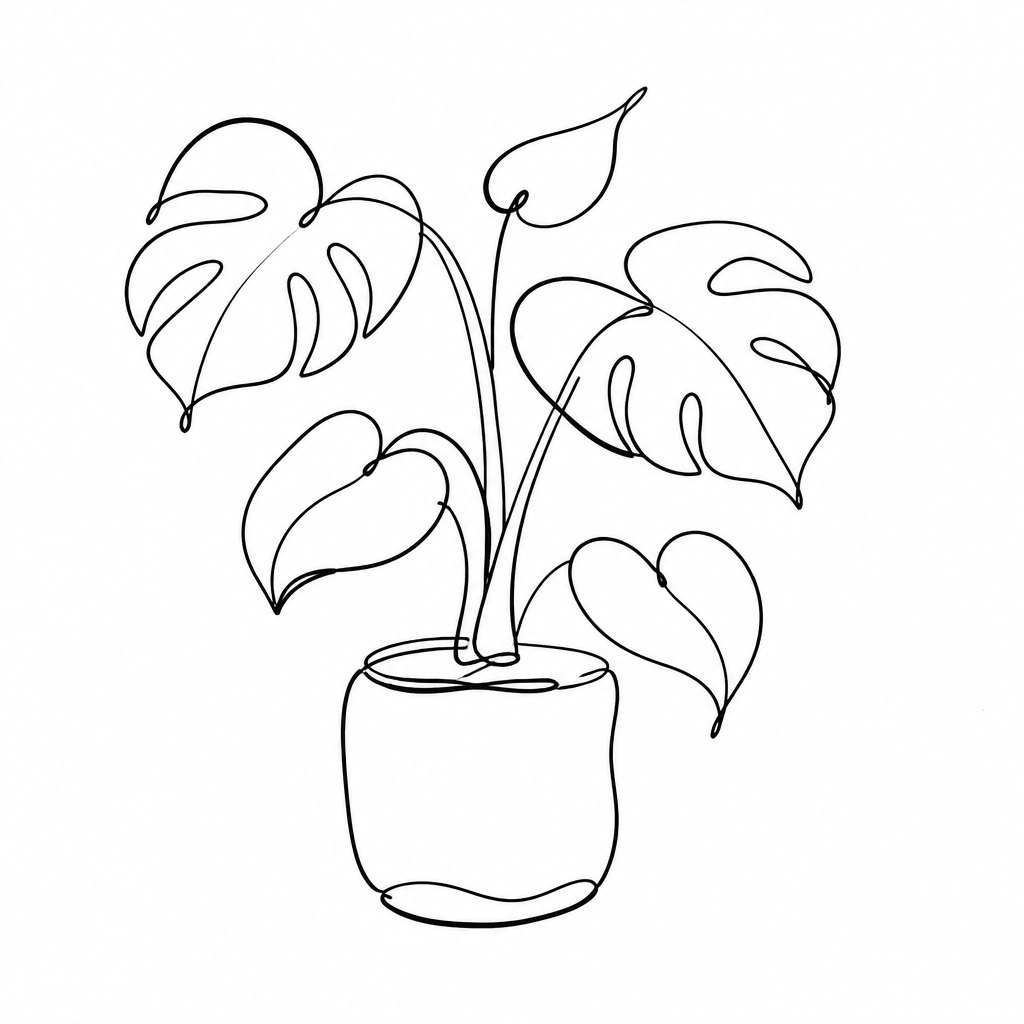 AI-generated
Try the medium
Try line art with AI
This example was generated from a prompt like: “A single continuous black ink line tracing the outline of a potted plant on white paper, no shading or color fill, varying line weight, clean minimalist contour illustration.”
Open the Line Art Style generator →The medium today
Line art today is the default style for icons, logos, tattoo flash, and coloring-book pages, produced largely with vector software rather than pen and ink. Webcomic and manga artists ink digitally over pencil layers using pressure-sensitive styluses that mimic dip-pen line weight. Minimalist single-line illustration—one continuous unbroken stroke describing a whole figure—has become a popular decorative style across branding and social media graphics.
Compose your own
Begin with a light pencil sketch to place proportions, then commit to final lines in pen, fine marker, or a digital vector tool. Practice contour drawing from observation, tracing the true edge of an object rather than an imagined outline. Vary line weight deliberately—thicker on shadowed or foreground edges, thinner on interior detail—to suggest depth without shading. Try single continuous-line exercises to build fluid hand control, and study classic engravings or woodcuts to see how much information a line alone can carry.
Frequently asked questions
What makes line art different from a regular drawing?
Line art relies on outline and contour to define form and generally avoids shading, gradients, or color fill, while a regular drawing may use tone, texture, and blending alongside line to build a fuller image.
Do I need special tools for line art?
No—a basic fine-tip pen, pencil, or a digital vector tool is enough. What matters more is control over line weight and confident, deliberate strokes rather than any particular brand of pen.
What is a continuous line drawing?
A continuous line drawing is made without lifting the pen from the page, forcing the whole subject to be described by one unbroken stroke, which gives it a fluid, spontaneous look.
Why is line art common for logos and icons?
Line art built from vector paths stays crisp at any size and reproduces cleanly in a single color, making it practical for logos, icons, and signage that must remain legible tiny or huge.