
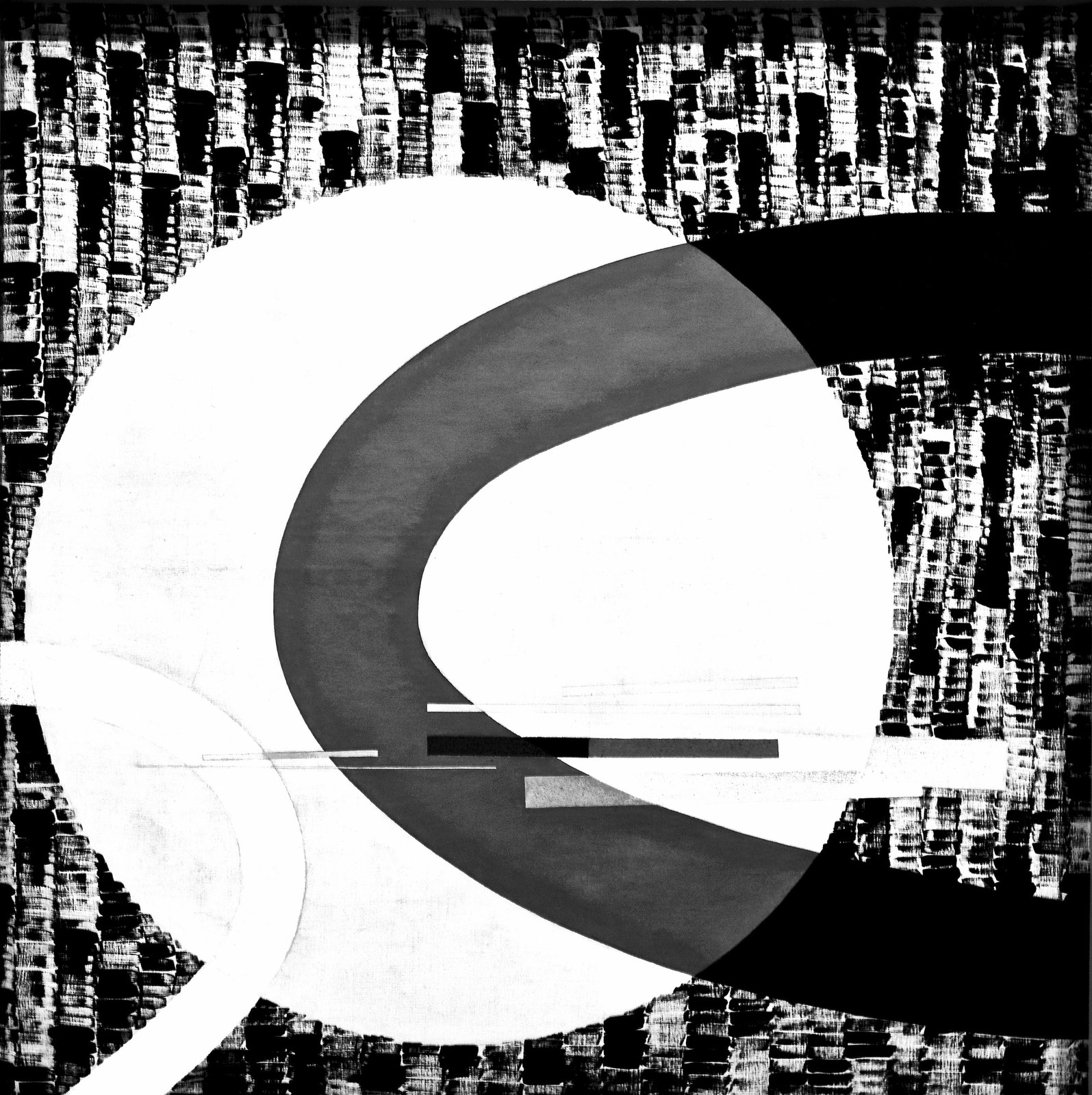
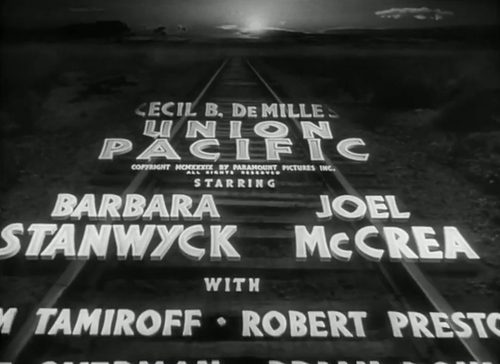
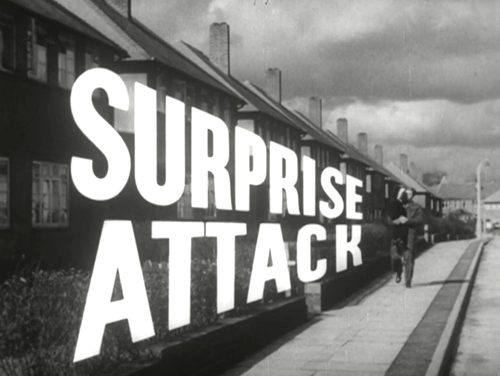
Motion graphics is graphic design set in motion—text, shapes, logos, and still images animated over time rather than character-driven storytelling. Practitioners work primarily in software such as Adobe After Effects, Cinema 4D for added dimension, or code-based tools, building compositions from layered flat or vector elements and animating their position, scale, rotation, and opacity through keyframes. Timing and easing curves control how motion accelerates and decelerates, giving movement a felt rhythm often synced tightly to music or voiceover. Typography plays an outsized role, since kinetic type—words that move, scale, and transform on screen—is one of the field's signature devices. Compositing layers together with masks, transitions, and simple camera moves builds depth without full 3D modeling. The output is typically a short video: a film title sequence, a network's on-air branding package, a product explainer, or a looping social media animation, with a clean, controlled look built from graphic shapes rather than photographed footage.
What defines the medium
Keyframe animation
Every animated property—position, scale, rotation, opacity—is set by keyframes marking its value at specific points in time, with the software interpolating the motion in between according to a chosen easing curve.
Easing and timing
Motion rarely moves at a constant speed; eased curves that ease in and out of movement feel natural and intentional, while timing decisions—how long an element holds versus moves—carry as much weight as the shapes themselves.
Kinetic typography
Text is treated as a primary graphic element, animated to appear, transform, or move in sync with narration or music, often becoming the main visual content of a piece rather than a caption over other footage.
Layered compositing
Compositions build from stacked 2D or pseudo-3D layers—background, midground, foreground graphics—combined with masks, blend modes, and depth cues to create dimensional-feeling scenes without full 3D modeling.
Sync to sound
Motion is frequently timed precisely to a music track or voiceover, with cuts, reveals, and movement landing on beats or spoken words, a synchronization habit distinct from most other animation forms.
Short, purposeful runtime
Most motion graphics pieces run from a few seconds to a few minutes—title sequences, idents, explainer videos, or social clips—designed to communicate quickly rather than sustain a long narrative.
Materials decoder
The toolkit of motion graphics
- keyframe diamond
- → the marker in animation software timelines showing an exact point where a property's value is set, the basic building block of motion graphics
- easing curve
- → a graph controlling acceleration and deceleration between keyframes, responsible for whether motion feels mechanical or natural
- kinetic type
- → animated text used as primary visual content, appearing, scaling, or transforming in sync with sound rather than sitting static on screen
- null object rig
- → an invisible control layer used to link and drive multiple graphic elements together as a single animated group
- alpha channel
- → a transparency layer allowing graphic elements to composite cleanly over video or other layers without a visible background box
- timeline and layers panel
- → the stacked track view in software like After Effects showing every layer's timing, ordering, and keyframes at once
The story
Motion graphics grew out of film title design in the mid-twentieth century, when title sequences such as those for Vertigo in 1958 and North by Northwest in 1959 first treated opening credits as abstract, kinetic typography rather than plain text on a static card. Television broadcasting adopted similar techniques for network branding through the 1960s and 1970s, and the 1981 launch of MTV made short, animated channel identity graphics a constant presence on screen. The 1993 release of Adobe After Effects gave designers an accessible, layer-based tool built specifically for animating graphic elements over time, and the software became the field's de facto standard. The rise of broadband video and later social media platforms in the 2000s and 2010s expanded demand for motion graphics into web banners, app interfaces, and short-form clips.
Masterpieces of the medium
| Work | Artist | Date | Why it matters |
|---|---|---|---|
| Vertigo title sequence | Unknown | 1958 | early film title sequence using abstract kinetic spirals synced to music, a founding reference for the field |
| North by Northwest title sequence | Unknown | 1959 | sliding geometric type aligned to architectural lines, an influential early use of kinetic typography |
| Star Wars opening crawl | Unknown | 1977 | scrolling perspective text sequence that became one of the most widely referenced motion graphics devices in film |
| MTV channel ident package | Unknown | 1981 | short animated identity graphics that established the look of modern television branding |
| Adobe After Effects 1.0 release | Unknown | 1993 | software release that gave designers a dedicated keyframe-based tool for animating graphics, shaping the field's modern workflow |
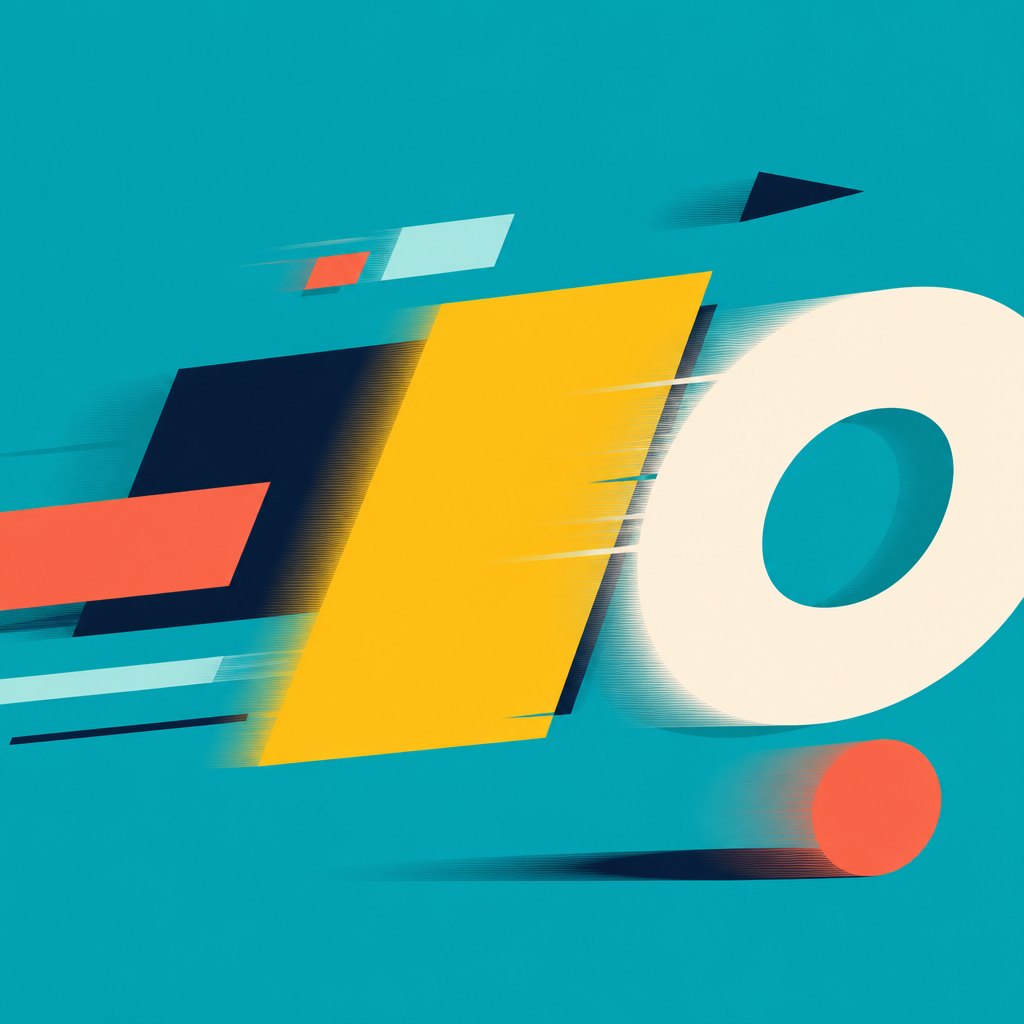 AI-generated
Try the medium
Try motion graphics with AI
This example was generated from a prompt like: “A bold animated title card frozen mid-motion: large sans-serif kinetic type sliding across a flat teal background, geometric shapes trailing behind with motion blur, clean broadcast-style graphic design composition.”
Open the Motion Graphics Style generator →The medium today
Motion graphics today appears constantly online, from social media loops and app onboarding animations to explainer videos and streaming platform title sequences. Real-time engines and 3D software increasingly blend with traditional 2D motion design, adding depth and dynamic lighting to graphic compositions. Template-driven tools and assisted animation have lowered the barrier to entry, letting small teams produce broadcast-quality graphics quickly. The discipline remains central to branding, user interface design, and short-form video content across nearly every industry.
Compose your own
Start with a layer-based animation program such as Adobe After Effects, which is built specifically for keyframe animation of graphic elements. Learn the basic keyframe workflow first—animating a shape's position, scale, and opacity—before adding easing curves for natural-feeling motion. Practice kinetic typography by animating a short phrase to enter, hold, and exit in sync with a piece of music. Study existing title sequences and broadcast idents frame by frame to see how timing and sound sync work. Keep early projects short, five to ten seconds, and focus on a single clear idea rather than a complex sequence.
Frequently asked questions
What software is standard for motion graphics?
Adobe After Effects is the industry standard, offering layer-based keyframe animation built for graphic design work. Cinema 4D is commonly paired with it for 3D elements, and some designers use code-based tools for generative motion.
How is motion graphics different from animation?
Traditional animation typically focuses on characters and storytelling through drawn or modeled figures, while motion graphics animates graphic design elements—text, shapes, logos—to communicate information or brand identity.
What is kinetic typography?
Kinetic typography is text animated to move, scale, or transform on screen, often timed precisely to spoken narration or music, turning words themselves into the main visual content rather than a static caption.
Do I need to know 3D software for motion graphics?
Not necessarily—much motion graphics work is entirely 2D, built from flat shapes and type. 3D software like Cinema 4D is often added for extruded text or dimensional camera moves, but it is a common addition, not a requirement.