
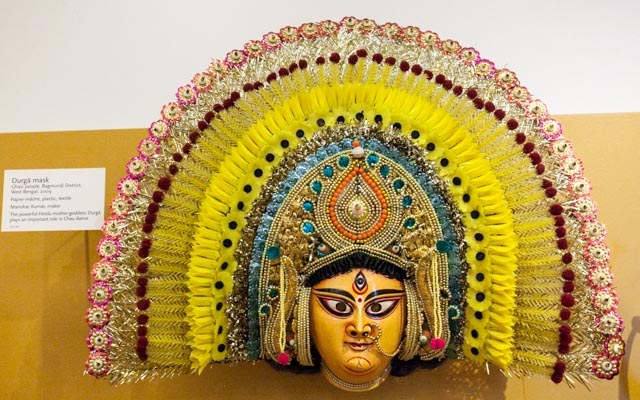
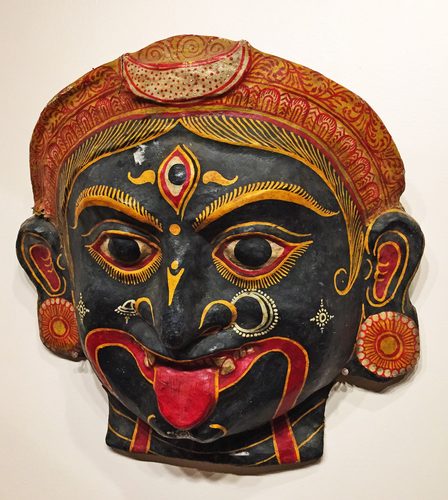
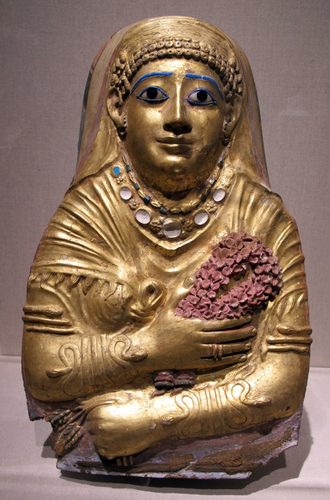
Papier-mâché builds solid, lightweight forms from paper and paste. In the layering method, strips of newspaper or plain paper are torn (not cut, for stronger overlap) and dipped in a wet paste—traditionally flour and water, sometimes diluted craft glue—then pressed in overlapping layers over a mold or armature such as a balloon, wire frame, or clay form. In the pulp method, paper is soaked, broken down into fibrous pulp, and mixed with paste and a filler such as whiting to be modeled almost like clay for finer sculptural detail. Once dry, the shell is rigid enough to hold its shape, and the mold is often removed or left inside. Surfaces are sanded, sealed with gesso, then painted, varnished, or lacquered—Kashmiri and Persian lacquered papier-mâché boxes use many thin coats of varnish over painted decoration. The technique's low cost and light weight make it a mainstay for masks, puppets, festival figures, and decorative objects worldwide.
What defines the medium
Armature or mold first
Nearly all papier-mâché starts with a form to build over—an inflated balloon, wire frame, cardboard base, or carved mold. The paper shell takes the shape of whatever it is layered onto.
Torn strips, not cut
Paper strips are torn along their fibers rather than cut with scissors, since torn edges feather and bond more smoothly with paste and neighboring layers, producing a stronger, less seamy shell.
Paste and layering
Strips are dipped in wet paste and applied in overlapping, criss-crossed directions, typically several layers thick, with drying time allowed between sets of layers to prevent warping or mold.
Pulp for fine detail
Where sharp modeled detail is needed—facial features, raised ornament—paper is soaked and pulped, mixed with paste and a filler like whiting, and shaped by hand almost like a soft clay.
Sealing and painting
The dried shell is sanded smooth, sealed with gesso or size so paint sits evenly rather than soaking unevenly into raw paper, then finished with paint, gilding, or multiple coats of lacquer.
Hollow-shell strength
The finished object is a rigid but hollow shell, giving strength without weight—key to why papier-mâché is used for oversized masks, puppets, and parade floats that must be carried or worn.
Materials decoder
The toolkit of papier-mâché
- torn newspaper strips
- → the basic building material, layered in overlapping directions for strength across a mold
- flour-and-water paste
- → the traditional non-toxic binder that soaks the paper strips and hardens as it dries
- balloon or wire armature
- → a temporary form the wet paper is built over, later removed or left inside the dried shell
- whiting-and-glue pulp
- → pulped paper mixed with chalk filler and paste, modeled by hand for sharp sculptural detail
- sanded, gessoed surface
- → a smoothed, sealed shell surface prepared so paint sits evenly rather than soaking in patchily
- lacquered or gilded finish
- → multiple thin coats of varnish or gold leaf over painted decoration, seen on traditional decorative boxes
The story
The technique traces to ancient China, where paper originated, and was used there for lightweight helmets and containers. It spread along trade routes to Persia and into the Indian subcontinent, where Kashmiri artisans developed elaborately painted and lacquered papier-mâché boxes, trays, and ornaments still made today. The French term papier-mâché, meaning "chewed paper," entered European use in the 17th and 18th centuries as the craft became fashionable in France and Britain. In England, Henry Clay patented a durable papier-mâché process in 1772, producing panels, trays, and furniture that imitated lacquerwork. Mexican craft traditions produced papier-mâché piñatas and Judas figures burned in Holy Week festivities. Large-scale carnival culture adopted the technique for giant processional figures, notably in Nice and in the Carnival of Viareggio, Italy, established in 1873, where papier-mâché floats remain a defining feature.
Masterpieces of the medium
| Work | Artist | Date | Why it matters |
|---|---|---|---|
| Patented papier-mâché furniture panels | Henry Clay | 1772 | durable lacquer-imitating panels and trays from a patented English process |
| Lacquered papier-mâché boxes and trays | Unknown | traditional, Kashmir, ongoing | hand-painted floral papier-mâché ware finished with many coats of lacquer |
| Carnival of Viareggio parade floats | Unknown | tradition established 1873 | giant satirical papier-mâché figures built over armatures for annual Italian carnival |
| Piñata figures | Unknown | traditional, Mexico, ongoing | brightly decorated papier-mâché shells built over a pot or frame for festive breaking |
| Judas figures for Holy Week burnings | Unknown | traditional, Mexico and Spain | large papier-mâché effigies constructed for annual public burning festivities |
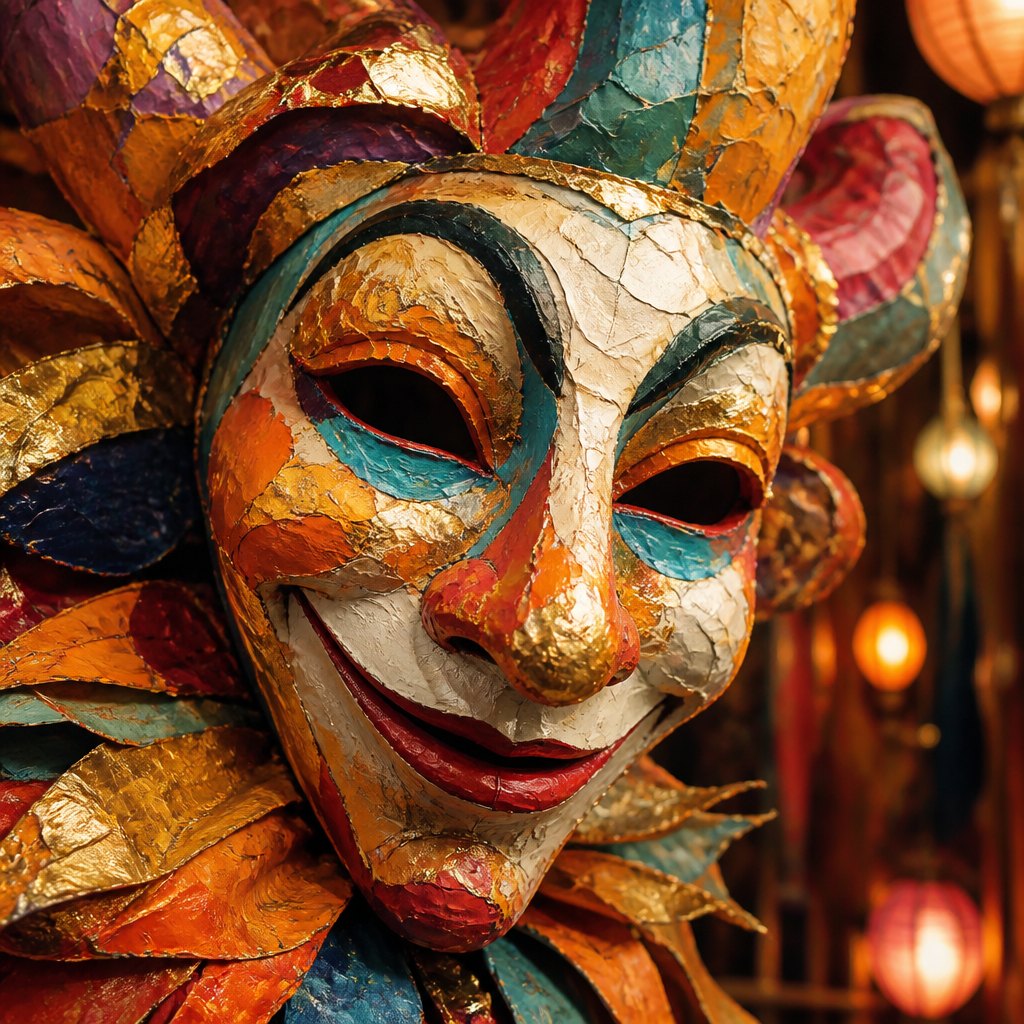 AI-generated
Try the medium
Try papier-mâché with AI
This example was generated from a prompt like: “A brightly painted papier-mâché carnival mask with exaggerated features and layered torn-paper texture visible beneath glossy paint, gold leaf accents, warm festival lighting, handcrafted surface.”
Open the Papier-Mache Art Style generator →The medium today
Papier-mâché remains active in carnival cultures such as Nice and Viareggio, where oversized processional figures are rebuilt in papier-mâché every year, and in piñata and mask-making workshops across Latin America. It is a standard material in theater and puppetry for lightweight props and character heads, and a common school and community art project because materials are cheap, safe, and largely recyclable. Museum education programs frequently use it to introduce sculptural building techniques to beginners of all ages.
Compose your own
Begin with a simple armature—an inflated balloon, crumpled newspaper taped into a rough shape, or a wire frame—since the final form will follow whatever it is built over. Tear newspaper into strips and mix a basic paste of flour and water. Dip each strip, wipe off excess paste, and lay it over the armature in criss-crossed directions, building three to four layers with drying time between sets. Once fully dry and rigid, sand rough spots smooth, seal with a coat of gesso, then paint with acrylics and finish with varnish for durability and shine.
Frequently asked questions
What's the best paste to use?
Flour and water, sometimes called wheat paste, is the classic non-toxic binder. Diluted white craft glue (PVA) sets faster and produces a somewhat stronger, more water-resistant shell once fully dry.
What's the difference between the strip method and the pulp method?
Strip layering builds a shell over an armature and suits masks, large figures, and boxes. Pulp method mixes soaked, mashed paper with paste and filler for modeling fine sculptural detail almost like clay.
How long does papier-mâché take to dry?
Each layer typically needs 24 to 48 hours to dry fully, depending on paper thickness and humidity. Rushing between layers traps moisture and can cause mold or warping in the finished piece.
Can papier-mâché be painted directly?
It is best sealed first with a coat of gesso or primer, since raw paper absorbs paint unevenly. A sealed surface lets color sit smoothly and evenly across the whole form.