
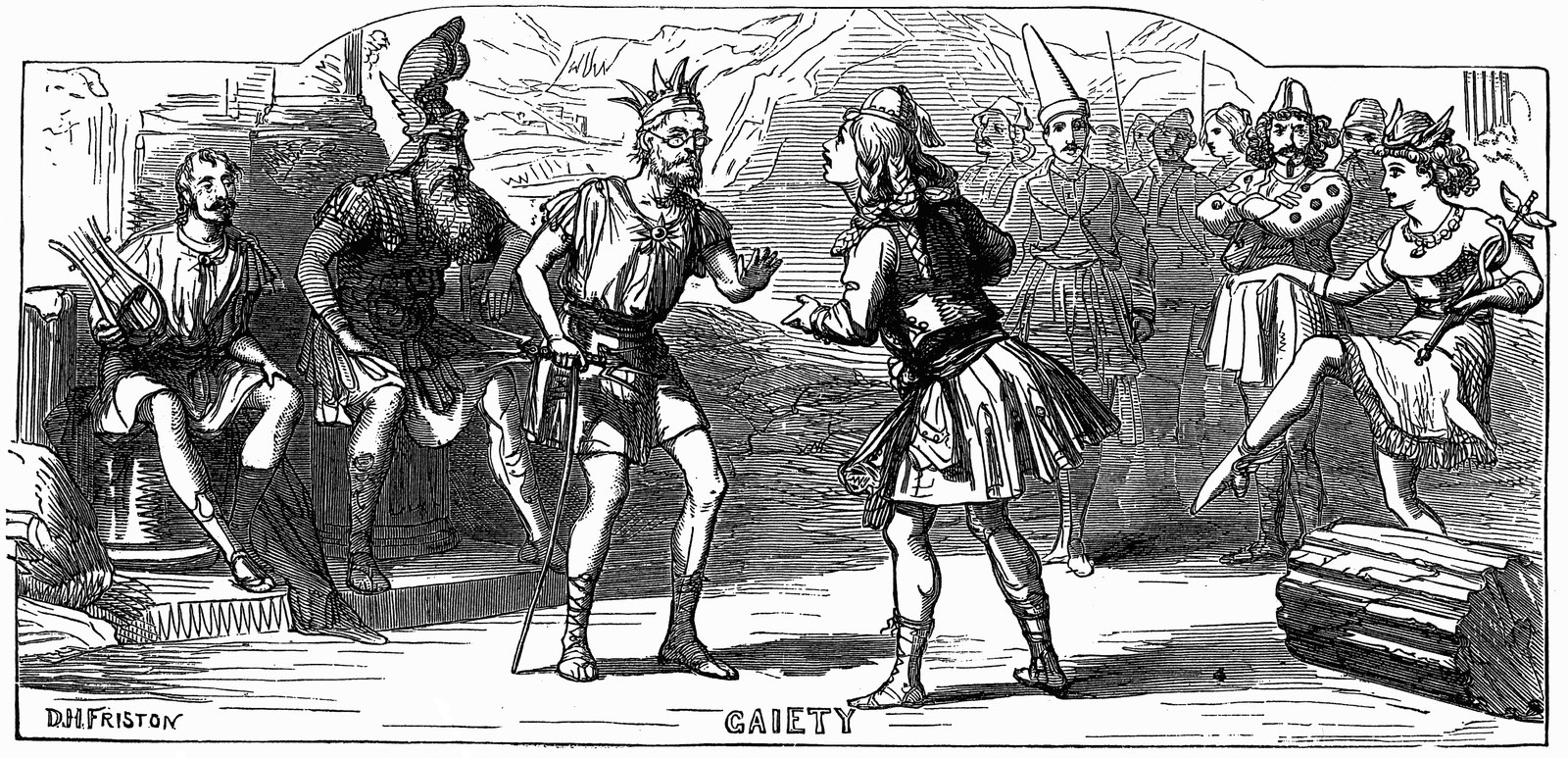
Performance art is a live art form in which the artist's body, actions, and the passage of time are the primary material, rather than paint, stone, or film. A piece may last minutes or many hours, take place in a gallery, street, or wilderness, and involve scripted actions, endurance tasks, or open improvisation. Unlike theater, performance art rarely uses fictional characters or scripted dialogue; the artist typically appears as themselves, and the action is often literal rather than symbolic narrative. Props are usually ordinary objects—chairs, mirrors, food, rope—used for their real physical properties. Because the live event cannot be resold or repeated identically, photographs, video recordings, and written scores become the lasting artifact, and these documents are what museums and collectors ultimately acquire. Audience presence, whether passive or invited to participate, is treated as a structural part of the work itself.
What defines the medium
Liveness as the core material
The work exists fully only while it is happening, in front of witnesses, in real time. A performance piece cannot be paused or rewound during its original event, which distinguishes it from a recorded film or video artwork.
Documentation as the surviving artifact
Because the live event ends, photographs, video, and written instructions or scores become the object that museums exhibit and collect afterward, standing in for an action that can never be witnessed live again in its original form.
The body as primary material
The artist's own physical presence, endurance, movement, and sometimes discomfort function the way paint or clay would in another medium, with the body itself carrying the piece's meaning rather than representing something else.
Duration and endurance
Many performances are structured around a set length of time—an hour, a day, or longer—during which a simple action repeats or a difficult position is sustained, making time itself a visible material of the work.
Audience relationship
Some performances place the audience as passive witnesses at a safe distance; others invite direct participation, physical proximity, or interaction, and this chosen relationship shapes the emotional register of the piece.
Ordinary objects as gesture
Everyday items like chairs, scissors, mirrors, or food are used for literal physical action rather than symbolic props from a theatrical set, keeping the work grounded in real, unstaged action.
Materials decoder
The toolkit of performance art
- black-and-white documentary photograph
- → the primary surviving record of most historical performance pieces, often the only artifact a museum can display
- durational time marker
- → a stated length—one hour, one day—signaling that the piece's structure is built around sustained time rather than a scripted plot
- the unadorned body
- → the artist appearing without costume or character, using their own physical presence as the work's material
- ordinary prop object
- → everyday items like chairs, rope, or mirrors used for real physical action rather than theatrical symbolism
- taped or roped-off floor area
- → a marked boundary defining the performance space and separating performer from audience within a gallery
- video monitor replay
- → a screen looping recorded footage of a past live event inside an exhibition, standing in for the original performance
The story
Performance art's precursors include Italian Futurist Serate, provocative staged evenings organized by Filippo Marinetti from the 1910s, and the Dada evenings at Zurich's Cabaret Voltaire from 1916, where Hugo Ball staged sound-poetry readings in costume. The Bauhaus contributed structured, choreography-based performance, notably Oskar Schlemmer's Triadic Ballet of 1922. After 1950, Japan's Gutai group staged physical actions with paint and materials, and in New York Allan Kaprow coined the term "happening" for participatory events beginning in 1959. Fluxus artists in the 1960s staged brief, instruction-based actions internationally. Body-based and endurance performance expanded through the 1970s, and by the 2000s major museums began acquiring performance documentation and re-staging historical pieces as part of standard exhibition programming.
Masterpieces of the medium
| Work | Artist | Date | Why it matters |
|---|---|---|---|
| Cabaret Voltaire opening evenings | Hugo Ball | 1916 | Dada sound-poetry and costume performances staged in a Zurich nightclub |
| Triadic Ballet | Oskar Schlemmer | 1922 | Bauhaus performance built from geometric costumes and choreographed movement |
| Futurist Serate | Filippo Marinetti | 1910s | staged theatrical provocations designed to unsettle and agitate live audiences |
| Cut Piece | Unknown | 1964 | durational performance in which audience members were invited to cut away the performer's clothing |
| The Artist Is Present | Unknown | 2010 | nearly three-month museum performance held by sitting silently across from visitors one at a time |
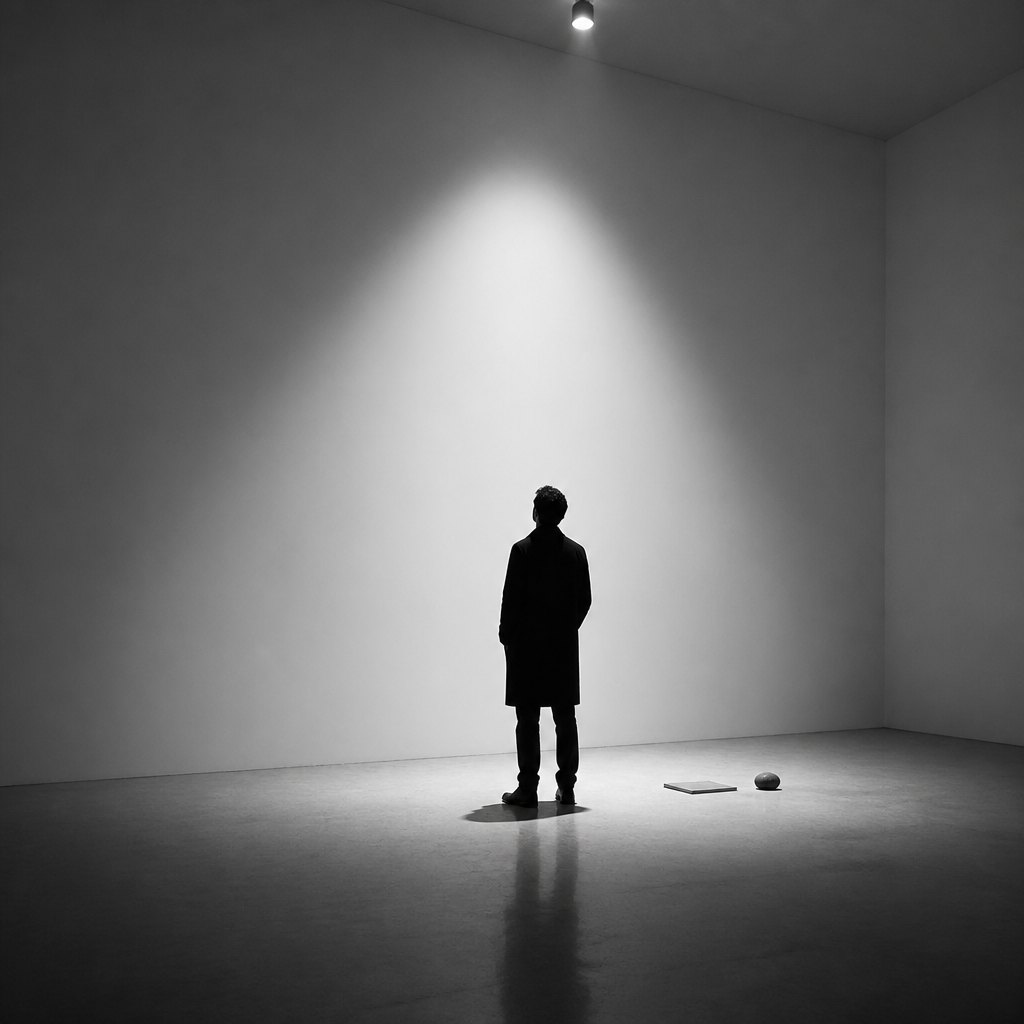 AI-generated
Try the medium
Try performance art with AI
This example was generated from a prompt like: “A lone figure standing motionless in a stark white gallery under a single spotlight, minimal ordinary props on the floor nearby, dramatic shadow and empty negative space, black-and-white documentary photography style.”
Open the Performance Art Style generator →The medium today
Performance art is now a standard part of major museum and biennial programming, often re-staged from historical scores decades after an original event. Documentation—photographic prints, video, and written instructions—is actively collected and exhibited by museums. Contemporary work often incorporates live streaming, audience participation, and durational formats lasting many hours or days, extending the form's long-standing focus on presence, time, and the body beyond a traditional theater setting.
Compose your own
Begin with a simple, clearly defined action or score—repeating one gesture, holding a position, or interacting with one object—and decide its exact duration before starting. Choose a space, whether a private studio or a public area, and arrange for photography or video, since documentation will likely be the only lasting record. Rehearse the action's mechanics but stay open to unplanned moments, since audience reaction often becomes part of the piece. Start with short, low-stakes performances for a small audience before attempting longer or public work.
Frequently asked questions
How is performance art different from theater?
Theater typically uses scripted dialogue, fictional characters, and rehearsed narrative arcs. Performance art usually has the artist appearing as themselves, performing literal actions rather than portraying a character, often without a conventional story.
Can performance art be bought or sold?
Museums and collectors typically acquire the documentation—photographs, video, or a written score with rights to re-stage it—rather than the live event itself, since the original action cannot be physically owned.
Why does documentation matter so much in this form?
Because a live performance ends when the event ends, photographs and video become the only way audiences afterward, and museums permanently, can encounter what happened, making documentation central to the work's history.
Is performance art dangerous or unregulated?
Some historical works involved genuine physical risk or endurance, but contemporary institutional performances are generally planned with safety measures, informed participants, and clear boundaries between artist and audience.