
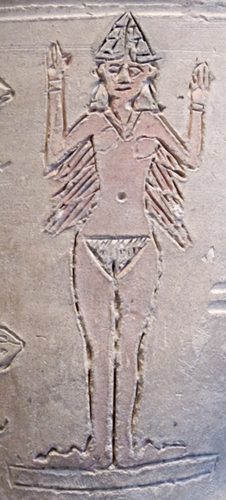
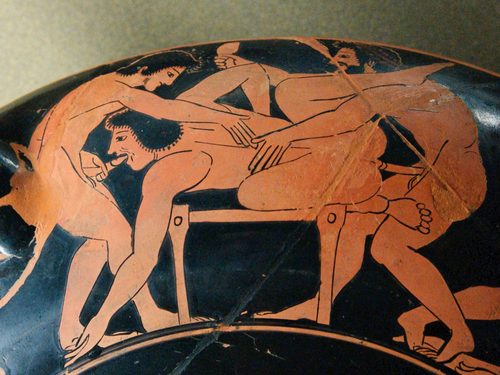
Pottery is the shaping and firing of clay into functional or decorative vessels. Clay bodies vary by mineral content and firing temperature: earthenware fires low and stays porous, stoneware fires higher into a dense, watertight body, and porcelain uses fine white clay fired hottest for a translucent result. Forms are built by hand-pinching, coiling ropes of clay upward, joining flat slabs, or centering a lump on a spinning potter's wheel and drawing it up with wet hands. Once shaped and dried, a piece undergoes a first, or bisque, firing to harden it, then is coated with glaze—a glass-forming mixture of silica, flux, and mineral colorants—and fired a second time so the glaze melts and fuses to the surface. Decoration can be added at almost any stage: carved into leather-hard clay, painted on in colored slip, or brushed under or over the glaze. The result ranges from rough, unglazed terracotta to glassy, richly colored porcelain.
What defines the medium
Clay body and firing temperature
Earthenware fires at lower temperatures and remains slightly porous; stoneware fires hotter into a dense, chip-resistant body; porcelain fires hottest of all, using fine kaolin clay for a hard, often translucent result.
Forming methods
Vessels are built by pinching a lump into shape, coiling ropes of clay and smoothing the joins, joining flat slabs into geometric forms, or centering clay on a spinning wheel and drawing it upward by hand.
Two-stage firing
Most ceramics go through a bisque firing that hardens the raw clay before glaze is applied, followed by a second, often hotter firing that melts the glaze into a glassy, durable surface.
Glaze chemistry
Glaze is a mixture of silica, a flux to lower its melting point, and mineral oxides for color, applied wet as a coating that fuses to the clay body during firing into a glassy skin.
Surface decoration
Decoration includes carving into leather-hard clay (sgraffito), painting with liquid colored clay (slip), and painting pigment either under the glaze for a protected finish or over it for surface texture.
Functional proportion
Utilitarian forms follow proportions suited to use—a stable foot, a rim shaped for pouring or drinking, and handles sized and angled for a comfortable grip—even when a piece is primarily decorative.
Materials decoder
The toolkit of pottery
- wheel-thrown rings
- → faint concentric ridges on a vessel's interior or exterior left by fingers drawing clay up on a spinning wheel
- coil construction
- → visible or smoothed horizontal ridges left from stacking and joining ropes of clay by hand
- glaze
- → a glassy coating fused to the clay surface in firing, which can pool, run, or crack depending on its chemistry
- slip
- → liquid clay used to coat a surface smoothly, join pieces, or paint decoration in a contrasting color
- footring
- → a raised ring trimmed or added to a vessel's base, lifting it slightly and often bearing a maker's mark
- crazing
- → a fine network of surface cracks in a glaze caused by mismatched shrinkage rates, sometimes prized as a decorative effect
The story
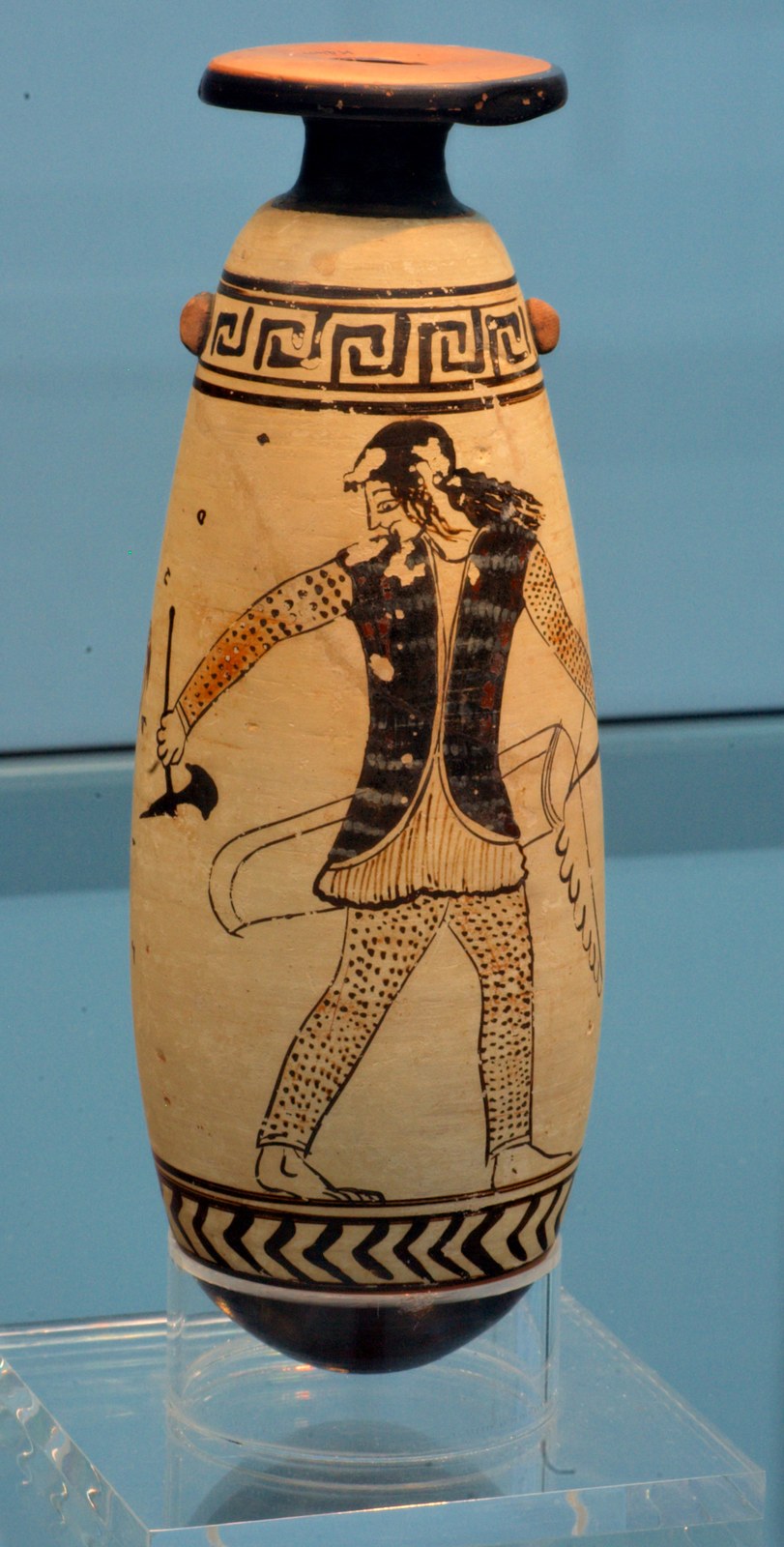
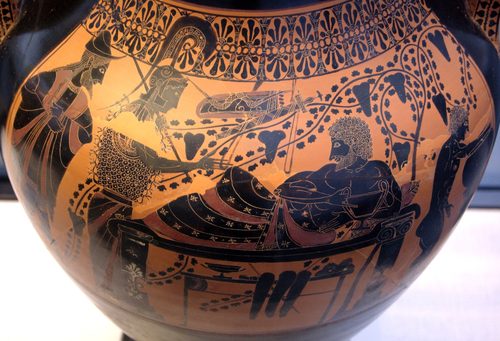
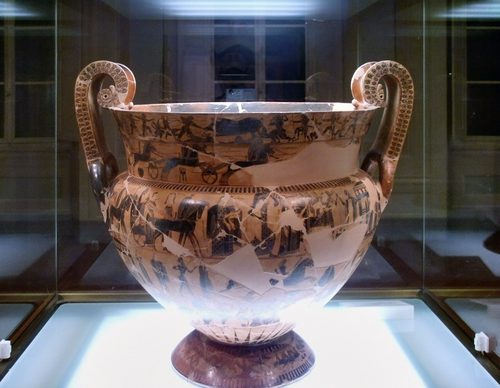
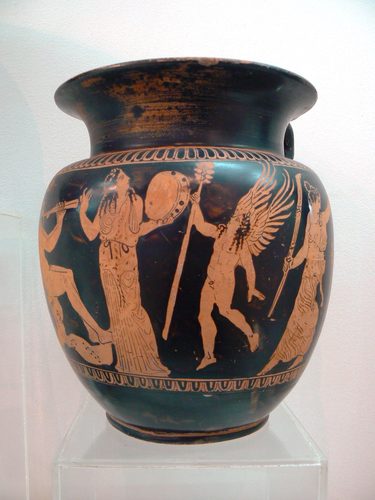
Pottery is among the oldest crafted materials, with fired clay fragments from Xianrendong Cave in China dated to roughly 20,000 years ago and Jomon-period pottery in Japan following soon after. Neolithic communities across the world independently developed pottery for storage and cooking. Ancient Greek workshops produced black-figure and red-figure painted vessels from the 6th and 5th centuries BCE, decorated with mythological and daily-life scenes. Chinese ceramics reached technical peaks with Song dynasty celadon glazes (960-1279) and Ming dynasty blue-and-white porcelain (14th-15th century), both widely exported and imitated. Islamic potters developed tin-glazed lusterware in the medieval period, and European workshops adopted tin-glazed earthenware during the Renaissance. Industrial production, led by England's Wedgwood factory from the 1760s, standardized fine earthenware for a mass market, while the studio pottery movement of the early 20th century restored hand-thrown, individually fired work as a respected fine craft.
Masterpieces of the medium
| Work | Artist | Date | Why it matters |
|---|---|---|---|
| Black-figure amphora | Unknown | c. 540-530 BCE | Greek storage vessel painted with mythological scenes in the black-figure technique |
| Blue-and-white porcelain vase | Unknown | c. 14th-15th century | Chinese Ming dynasty porcelain painted with cobalt blue under a clear glaze |
| Song dynasty celadon vase | Unknown | 960-1279 CE | Chinese stoneware prized for its pale jade-green, iron-fired glaze |
| Moche stirrup-spout vessel | Unknown | c. 100-700 CE | Peruvian ceramic vessel with a distinctive looped spout, often modeled in figural form |
| Red-figure krater | Unknown | c. 5th century BCE | Greek mixing vessel painted in the red-figure technique with detailed figural scenes |
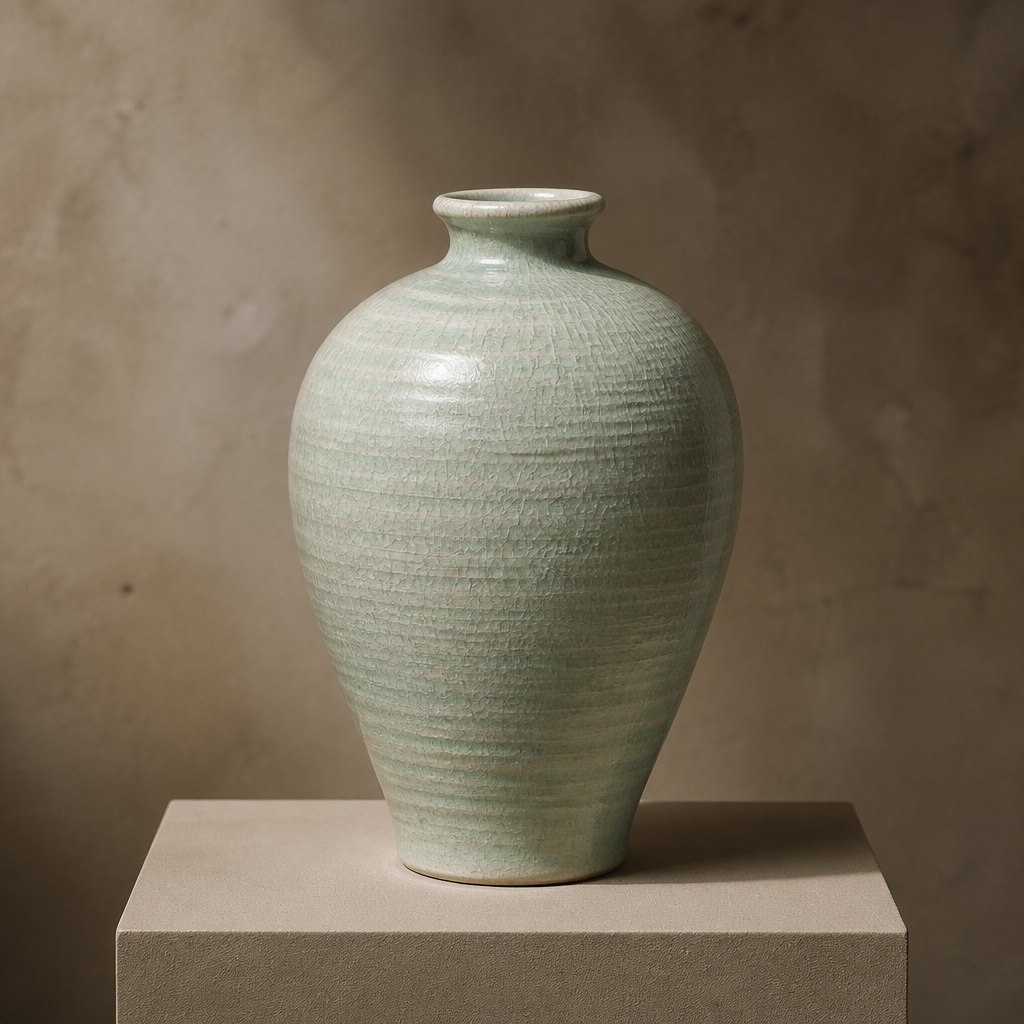 AI-generated
Try the medium
Try pottery with AI
This example was generated from a prompt like: “A wheel-thrown ceramic vase with visible concentric throwing rings, coated in a pale celadon glaze with fine crackle texture, displayed on a plain museum pedestal, soft directional lighting, earthy neutral background.”
Open the Pottery Art Style generator →The medium today
Contemporary pottery spans functional studio ware sold directly to households, gallery ceramic sculpture, and industrial tableware production. Studio potters commonly use electric kilns for reliable temperature control, though wood-fired and gas kilns remain popular for their distinctive glaze effects. Wheel-throwing has become a widely shared craft online, with process videos of centering and pulling clay drawing large audiences. Museums continue to actively collect both historic pottery and contemporary studio ceramics as part of decorative-arts holdings.
Compose your own
A beginner usually starts with hand-building—pinch pots or simple coil vessels—using an affordable earthenware clay and basic tools like a wooden rib, wire cutter, and sponge. Learning to wedge clay, kneading it to remove air bubbles, comes first, since trapped air can crack a piece in firing. Moving to the potter's wheel adds centering, opening, and pulling up walls evenly, which takes repeated practice. Finished pieces need a bisque firing before glaze is applied and a second firing to mature the glaze into its final glassy surface.
Frequently asked questions
What is the difference between earthenware, stoneware, and porcelain?
Earthenware fires at the lowest temperature and stays porous unless glazed; stoneware fires hotter into a dense, watertight body; porcelain uses fine white clay fired hottest for a hard, often translucent result.
Why does pottery need two firings?
The first, or bisque, firing hardens raw clay enough to handle safely and absorb glaze evenly. The second firing melts the applied glaze into a glassy, durable surface bonded to the clay body.
What causes crazing in a glaze?
Crazing appears when the glaze and clay body shrink at different rates during cooling, creating a network of fine surface cracks. It is sometimes considered a flaw and sometimes a valued decorative effect.
What is the difference between slip and glaze?
Slip is liquid clay, used for joining pieces, coating surfaces, or painted decoration before firing. Glaze is a glass-forming mineral mixture that melts during firing into a hard, often glossy surface coating.